Most recent posts at top of page. Also see chassis tab.
Update April 4th 2026. Can is now in paint shop, these are some of the recent tasks:
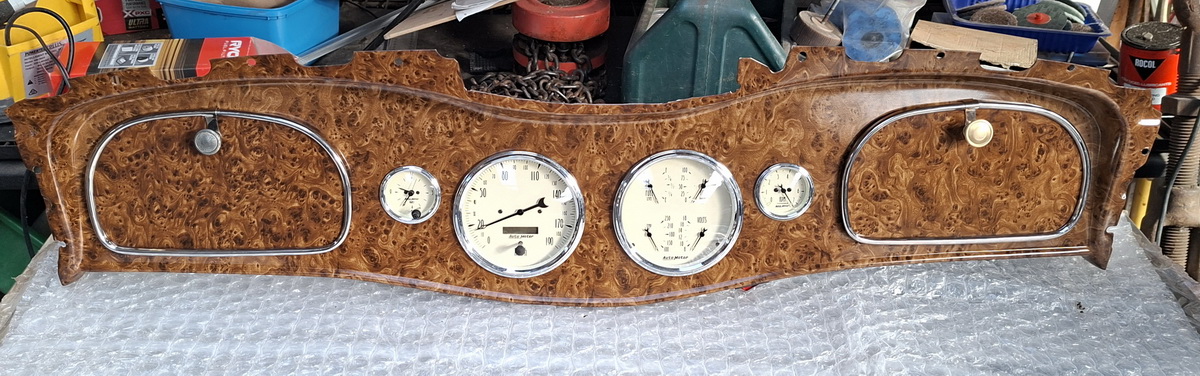
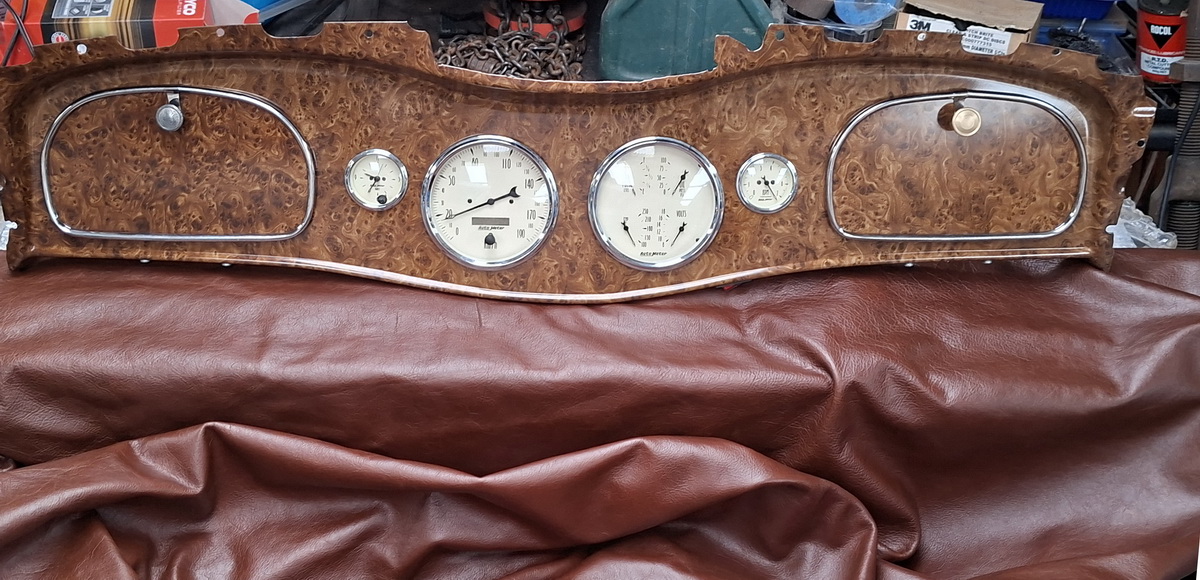
The dash has been woodgrained by Gary from Ballarat using the Hydrographic process, then clear coated with semi-gloss.
THis shows the leather with will be used for the trim, the colours seem incorrect here but an indication.
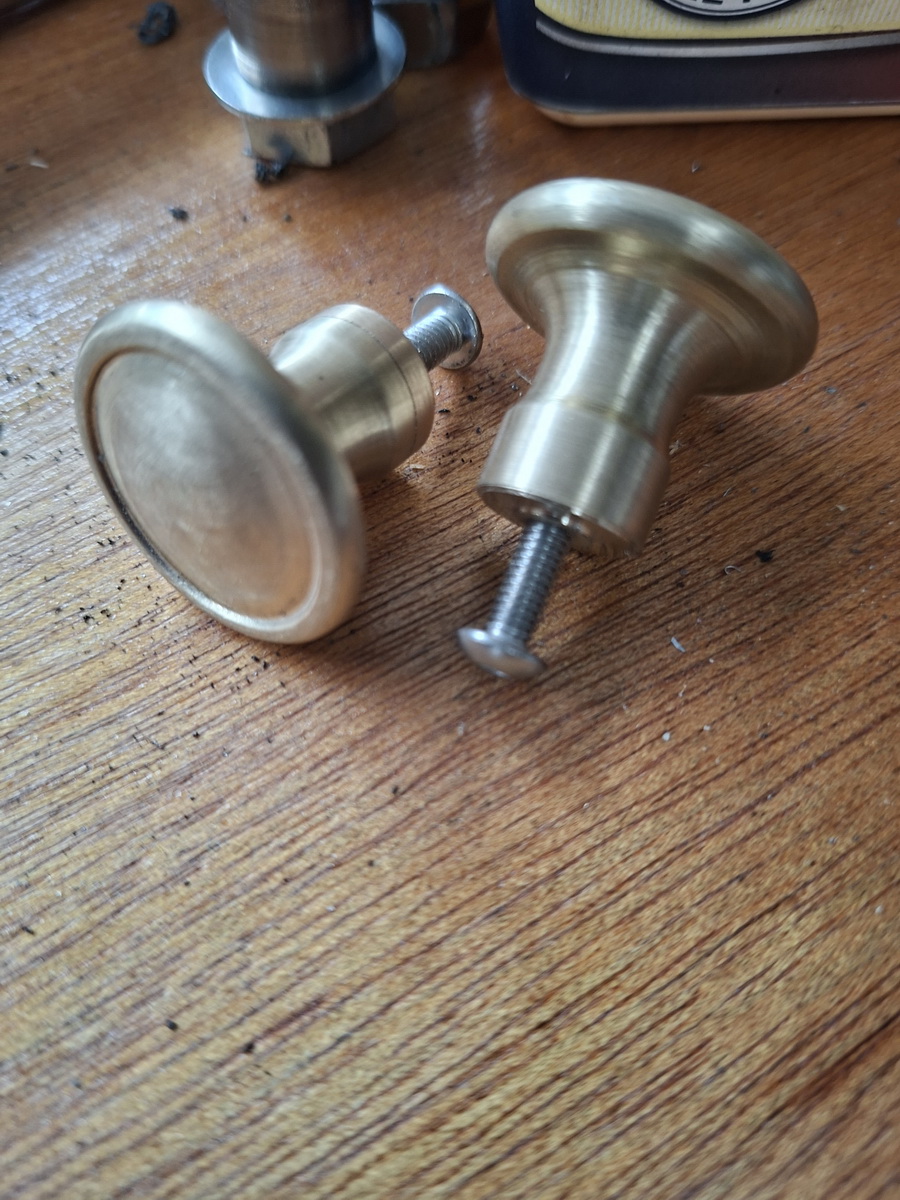
I had new dahs knobs made of brass as I only had one original and it was pitted.
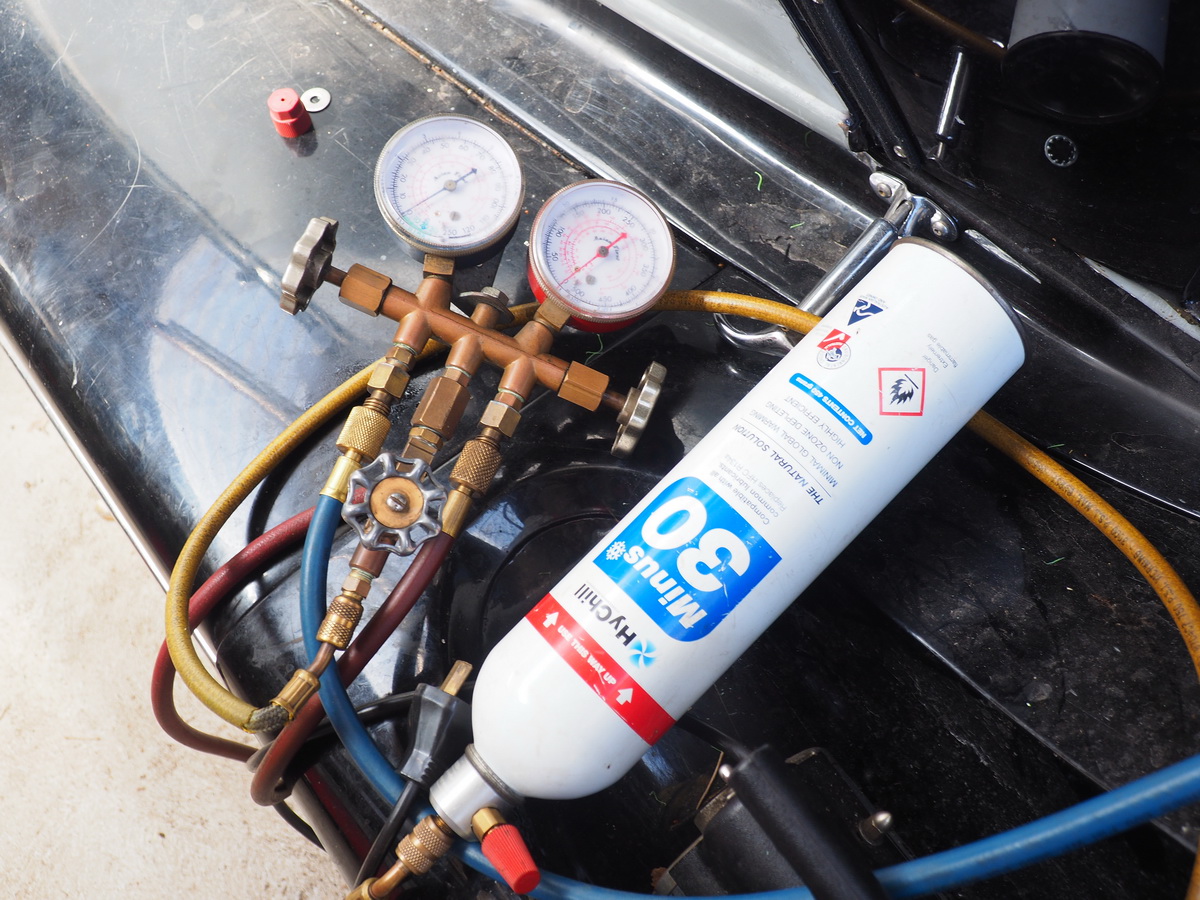
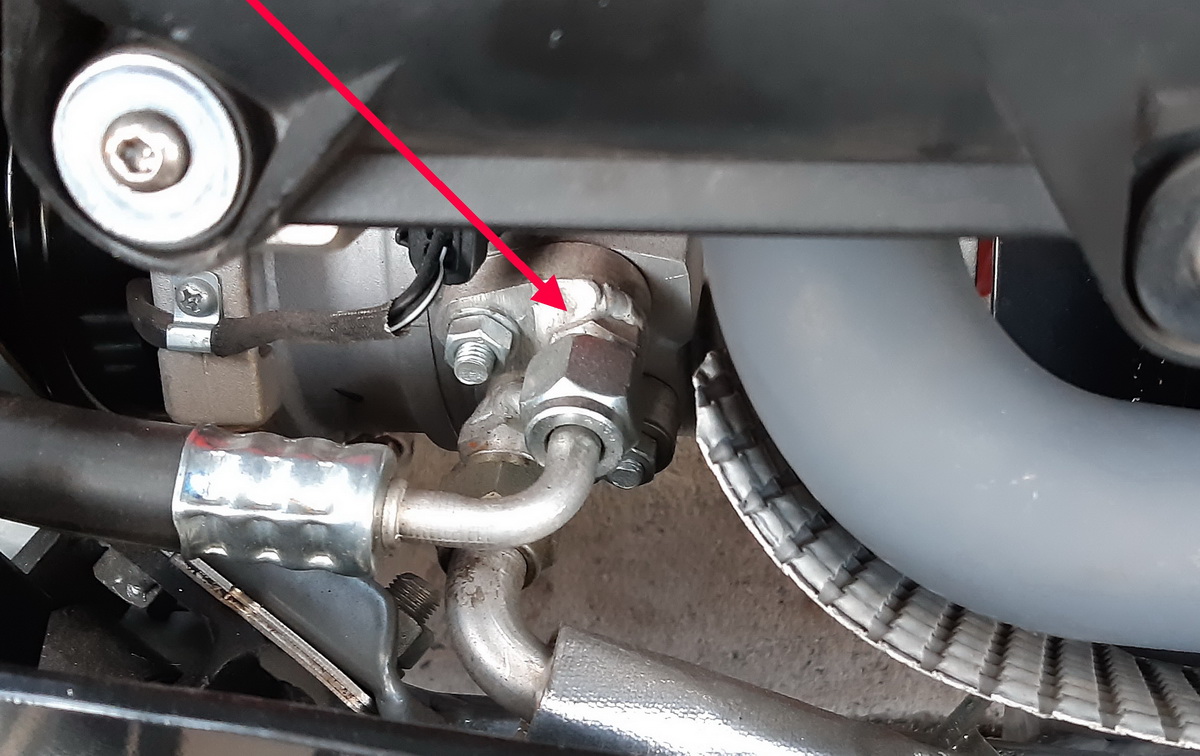
I gassed up the air-conditioner with HyChill minus 30 which works well. Dash temp is -0.1 deg C. I had a few leaks:
The fitting was welded here and leaked as it was double payer metal. I got some new ones from China for $16 is 5 days.
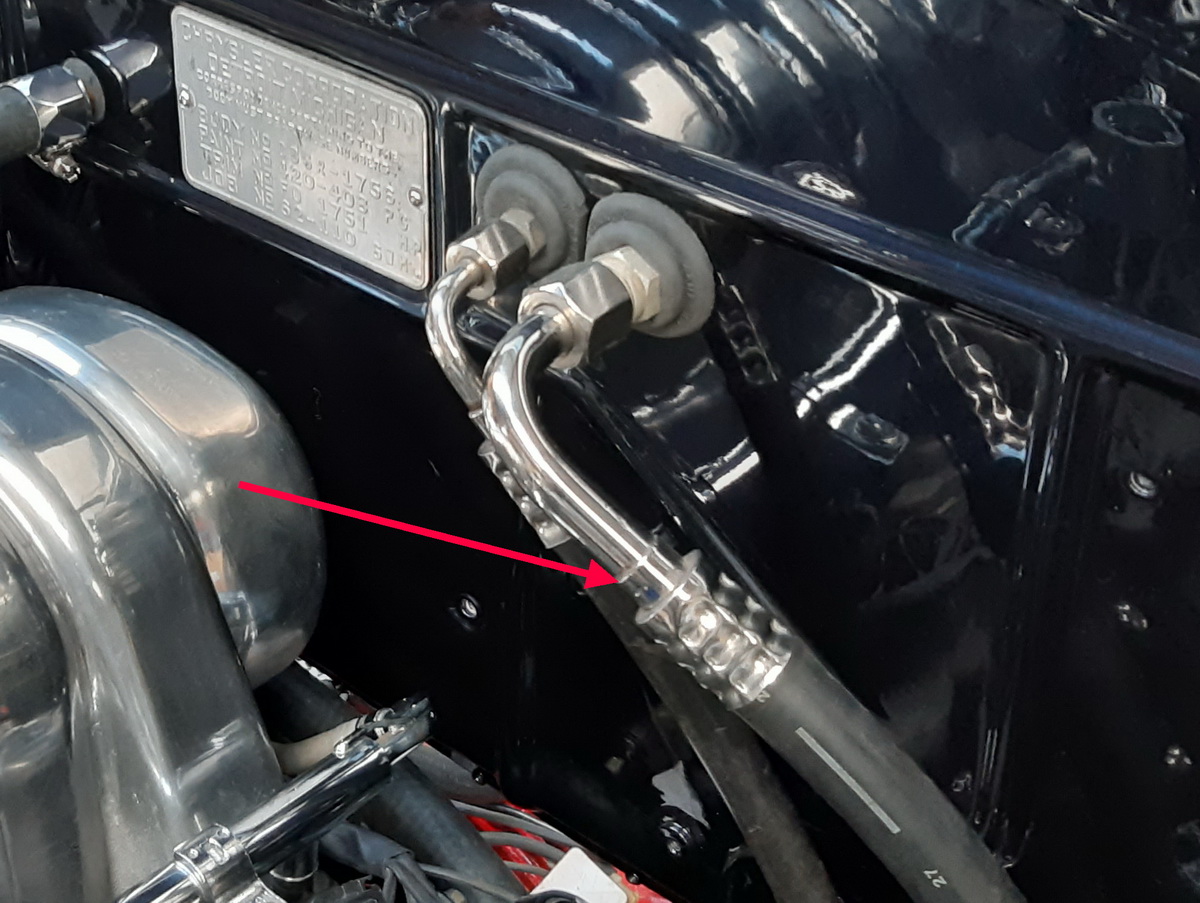
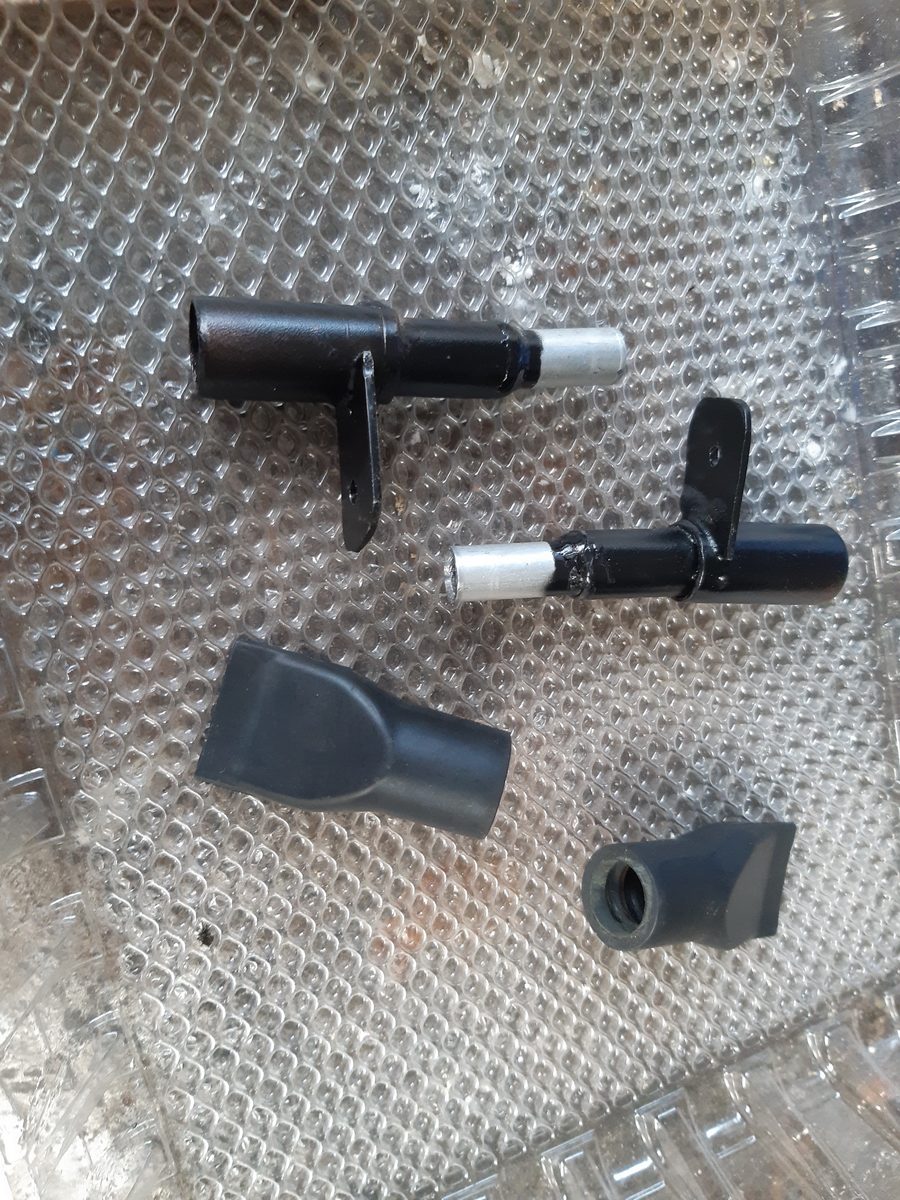
I heated and bent these 2 firewall fittins and they both leaked as there was a hidden silver solder join.
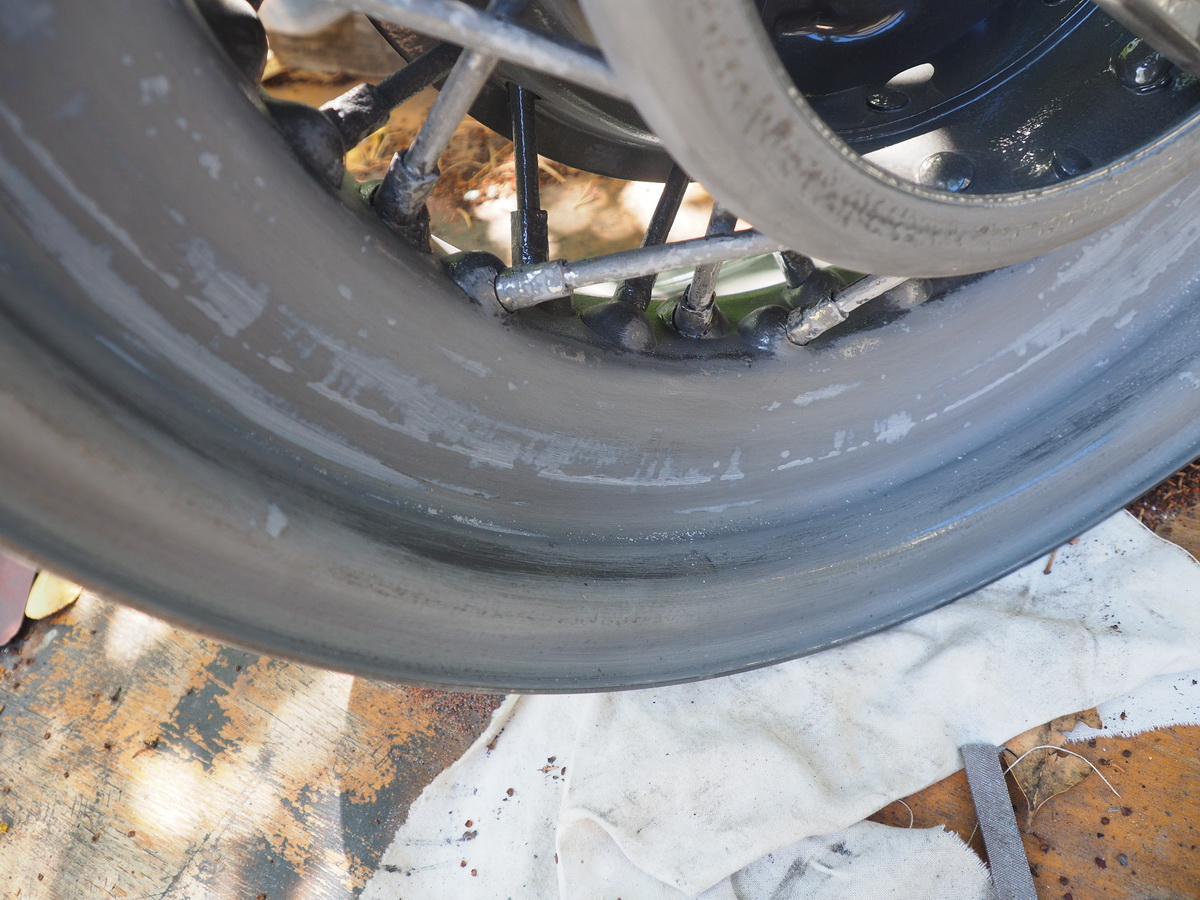
The wheels were blasted and power coat with primer, then filled with JB Weld and sanded back, then final colour and a coat of clear. I think the they look the part, not overstated.
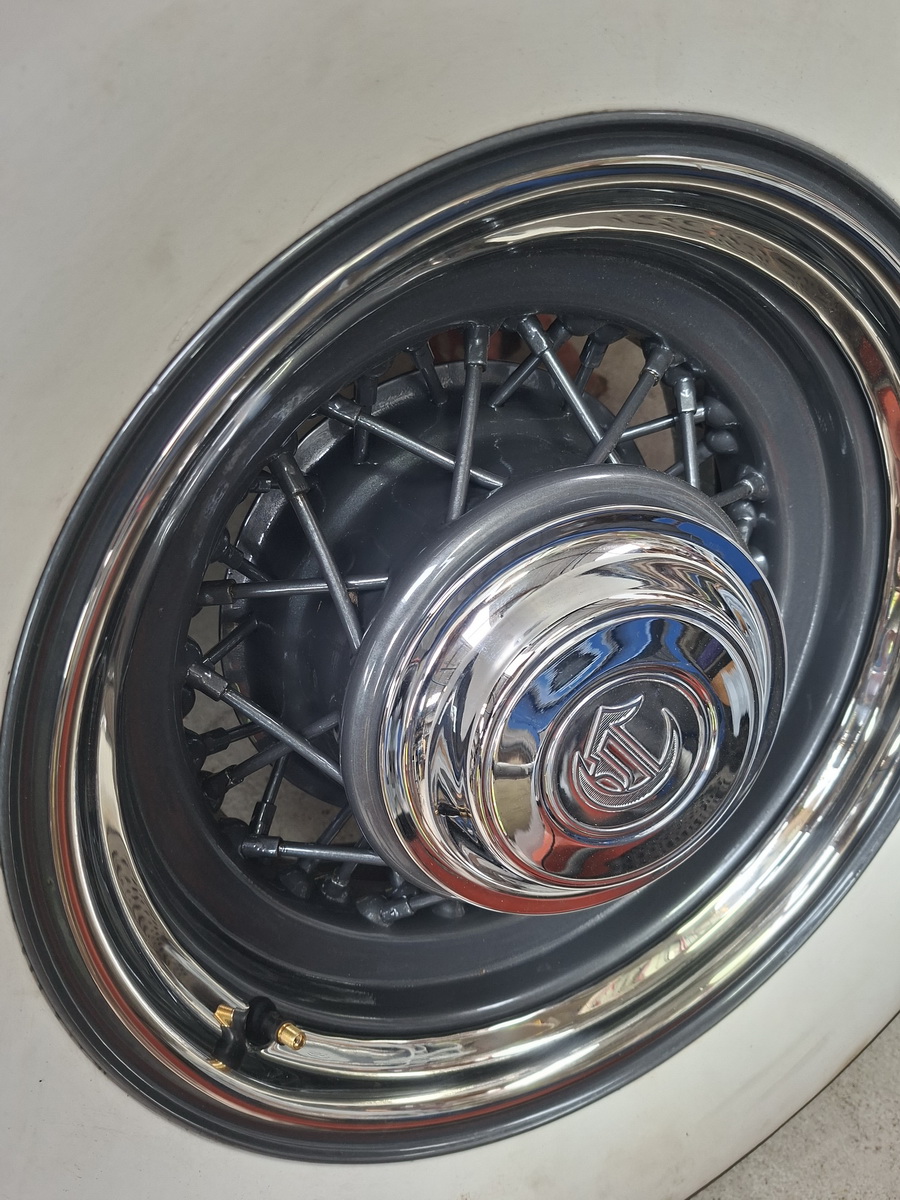
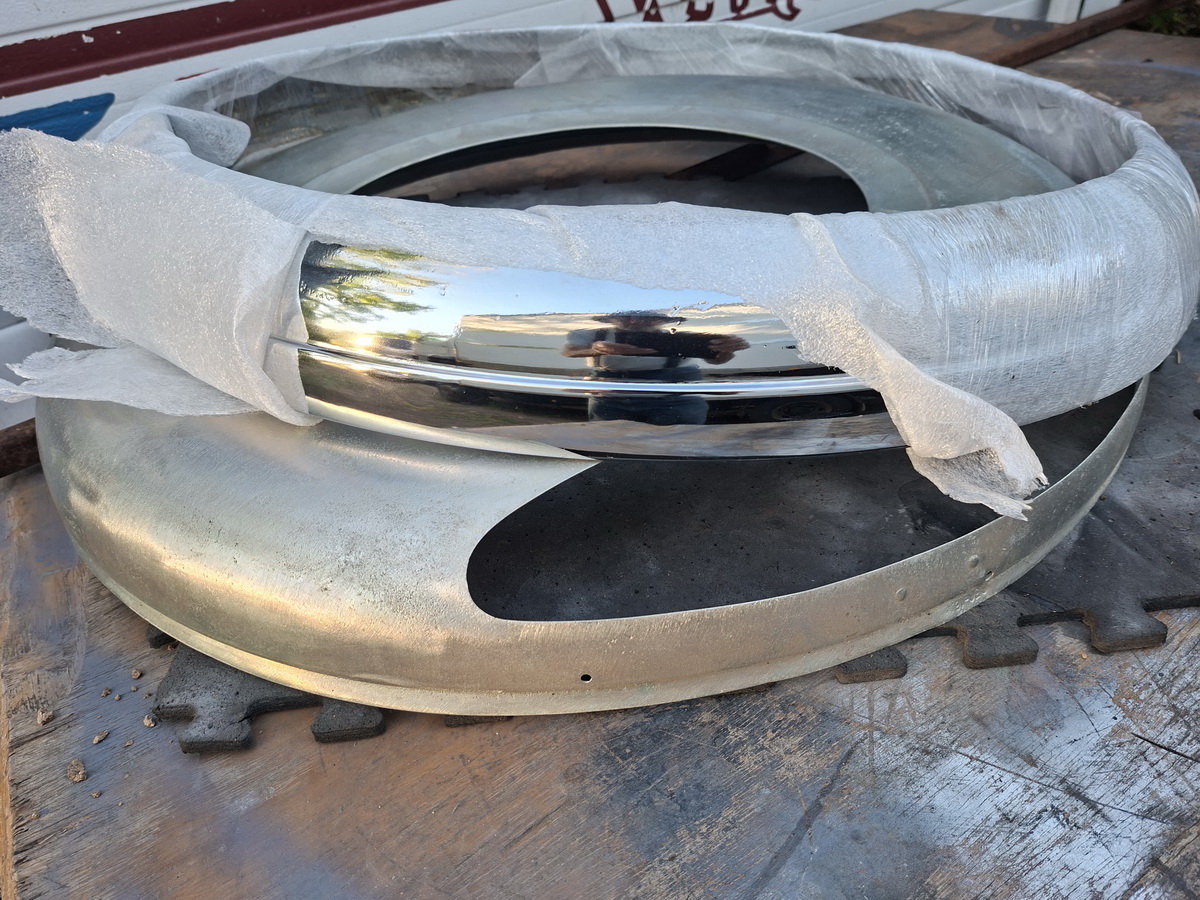
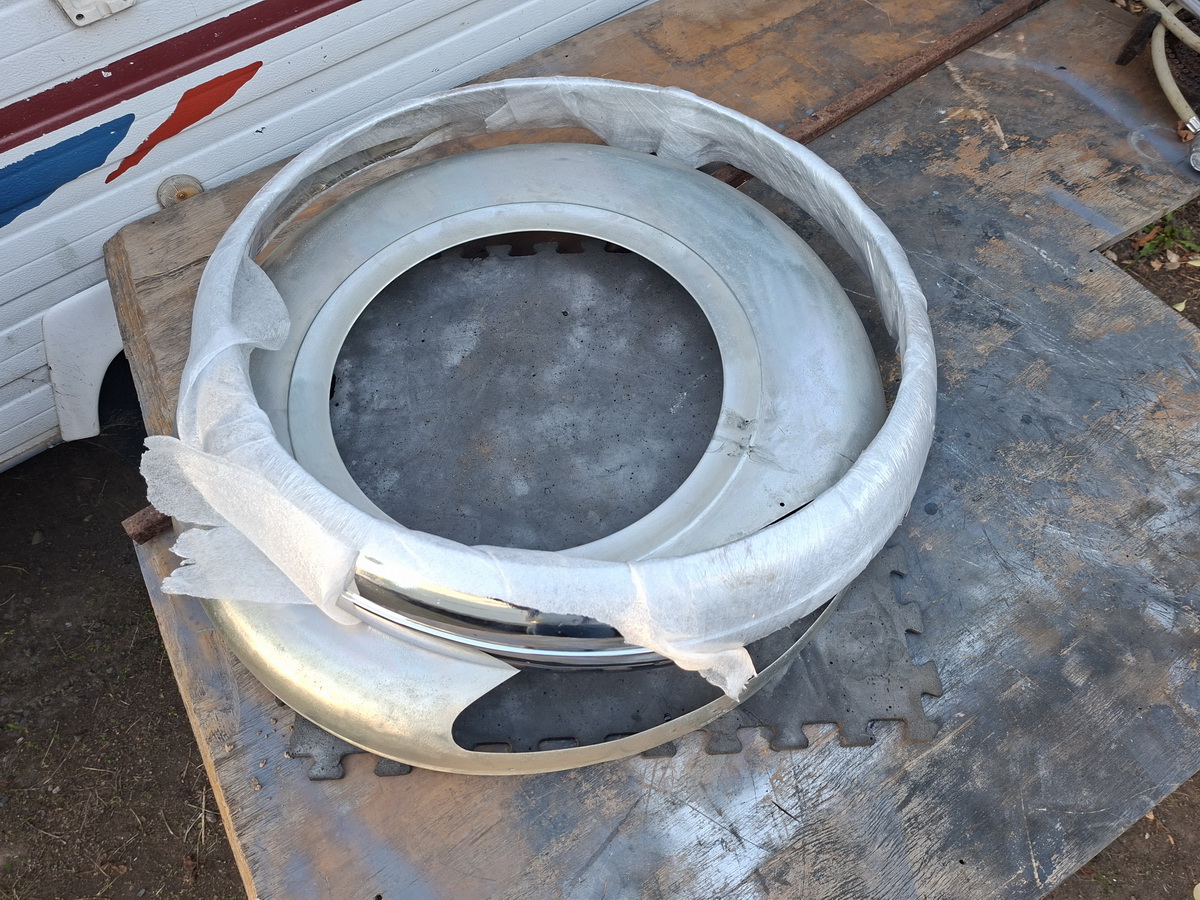
The wheel covers outers have been zinc plated and will be painted body colour. The inners have been chromed as I could not get a good set of stainless strips. They will be painted up to the strip.
Update Nov 2025 Wheel covers:
The wheel covers originally had a polished stainless dress ring but they were damaged. I decided to chrome the inner part and paint up to the edge similar to how the grill is done.
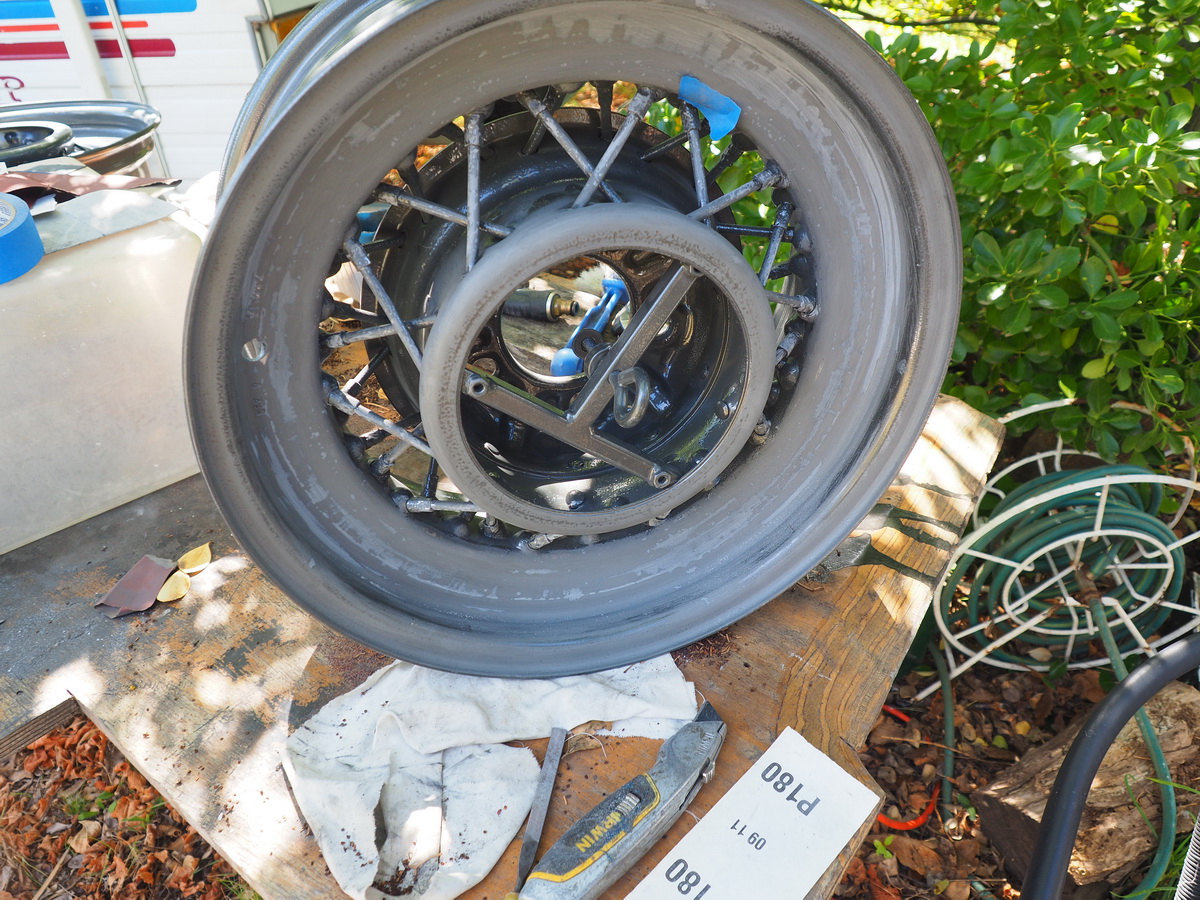
Getting them concentric was a long process. First, this car came with 17 x 450 rims so using the 15 x 5.0 Kelsey Hayes wire whees from 1933 meant that they were too wide for these covers, and too small in diameter. The first part of the fix was to narrow the rim by 20mm. The second part was to build supports inside the cover to force the tyre to be central when clamped shut. Looking good as below. The outside of rim is same diameter as the hole in the cover so no room for error.
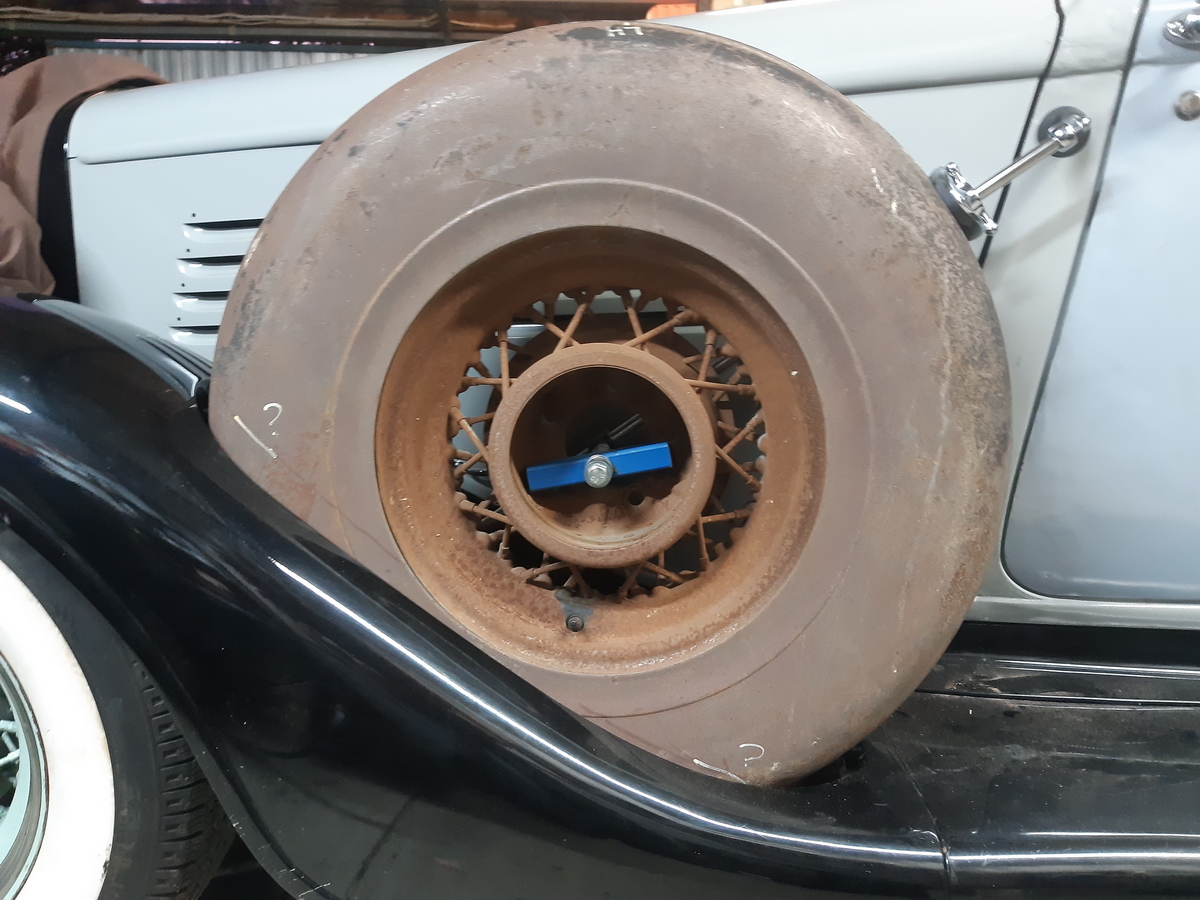
A quick sanding of the cover showed me that it would polish up ok. There were a few spot weld holes that had to be silver soldered.
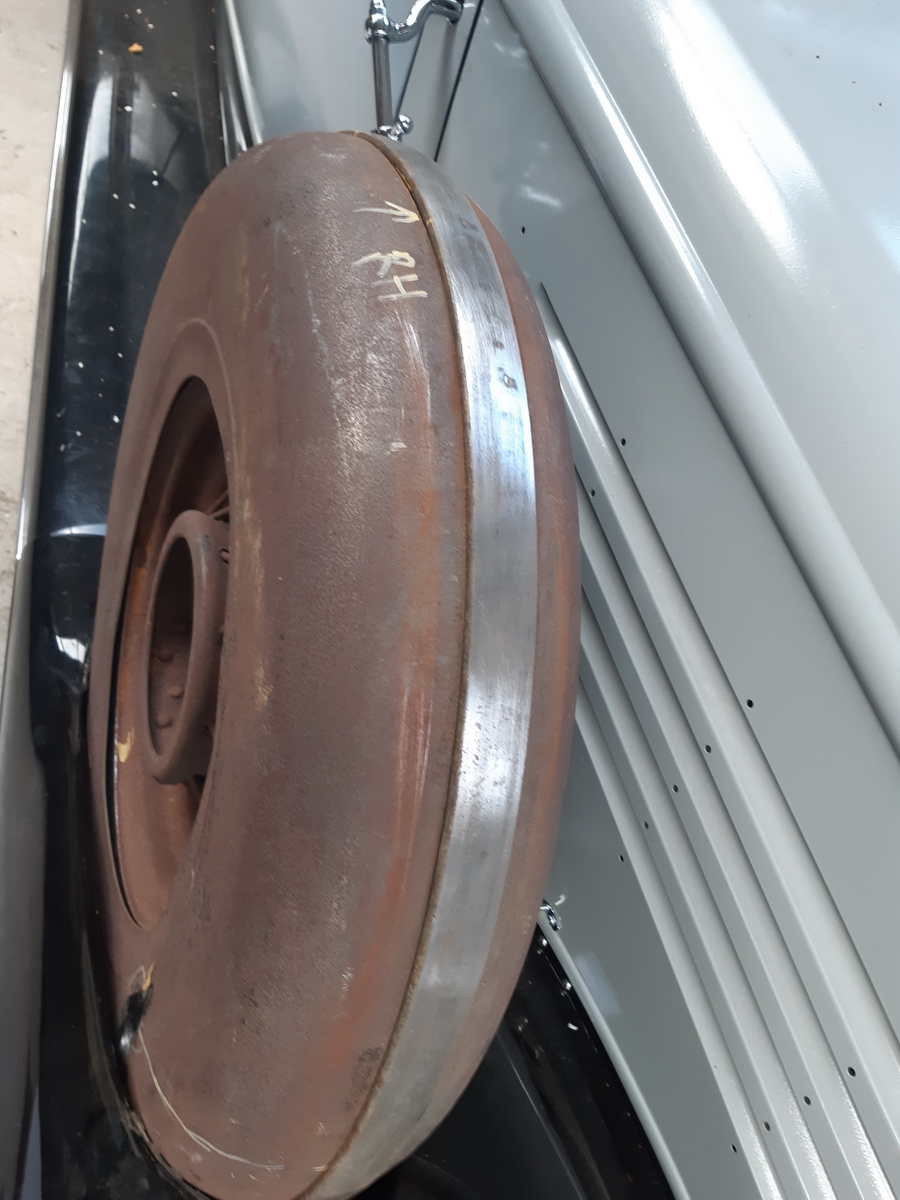
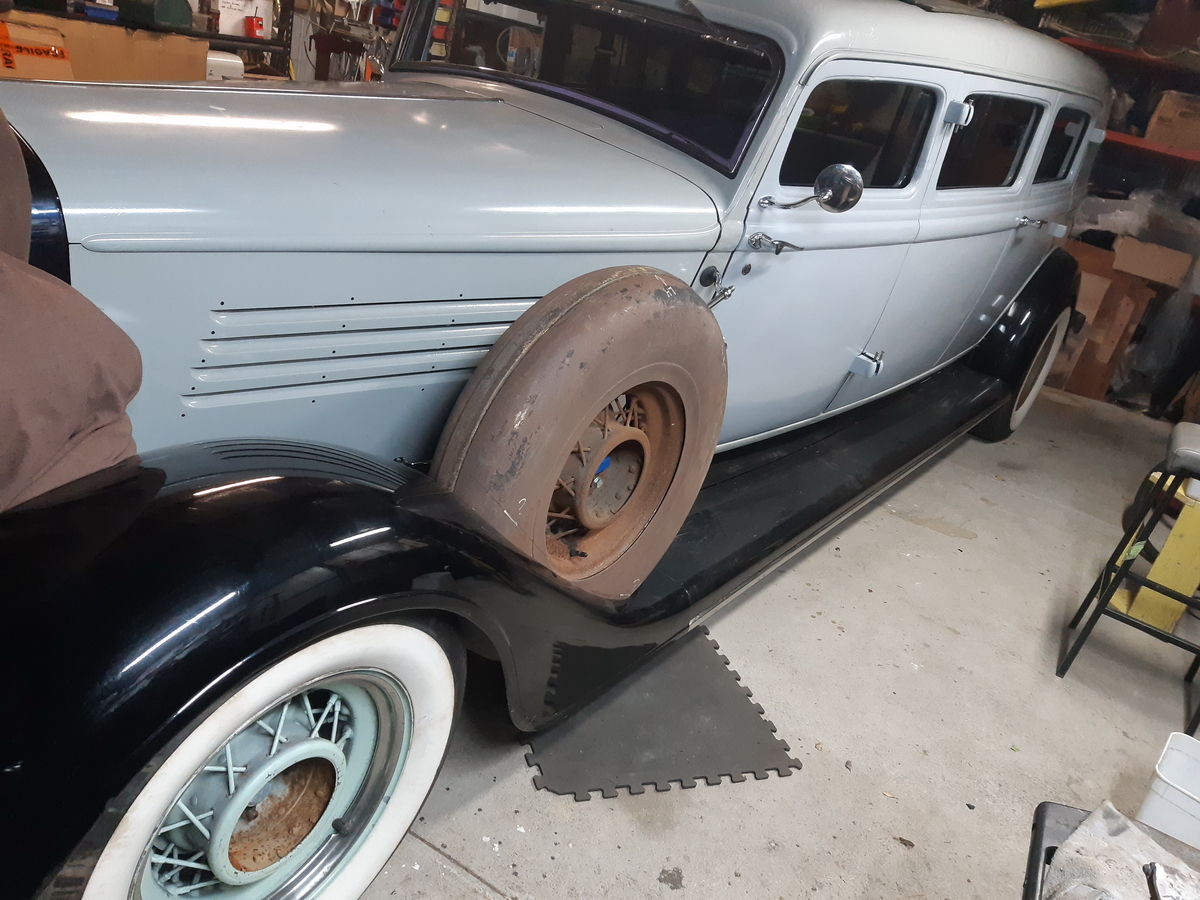
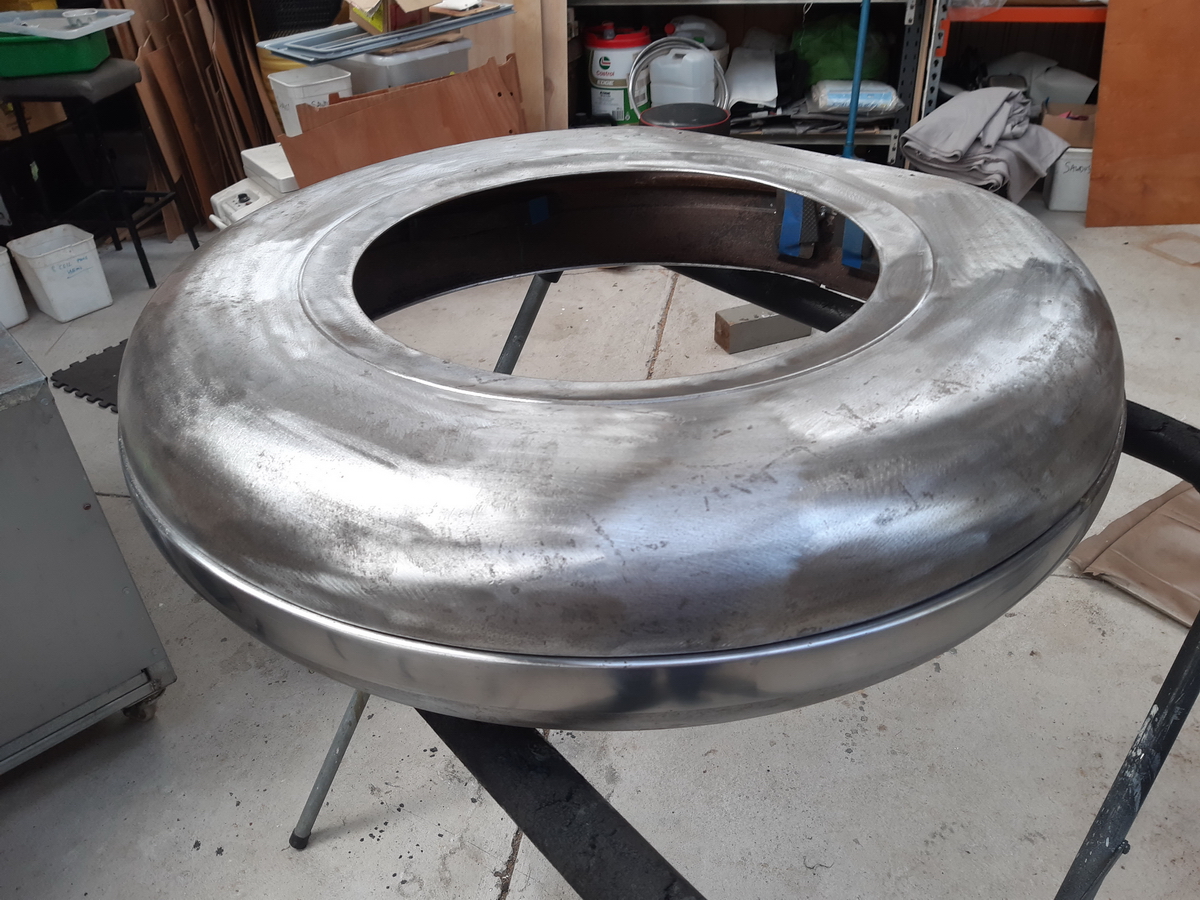
I gave them to the panel beater to straighten before they went to the chrome shop and he got a bit carried away and returned them nearly polished. A great job as usual.
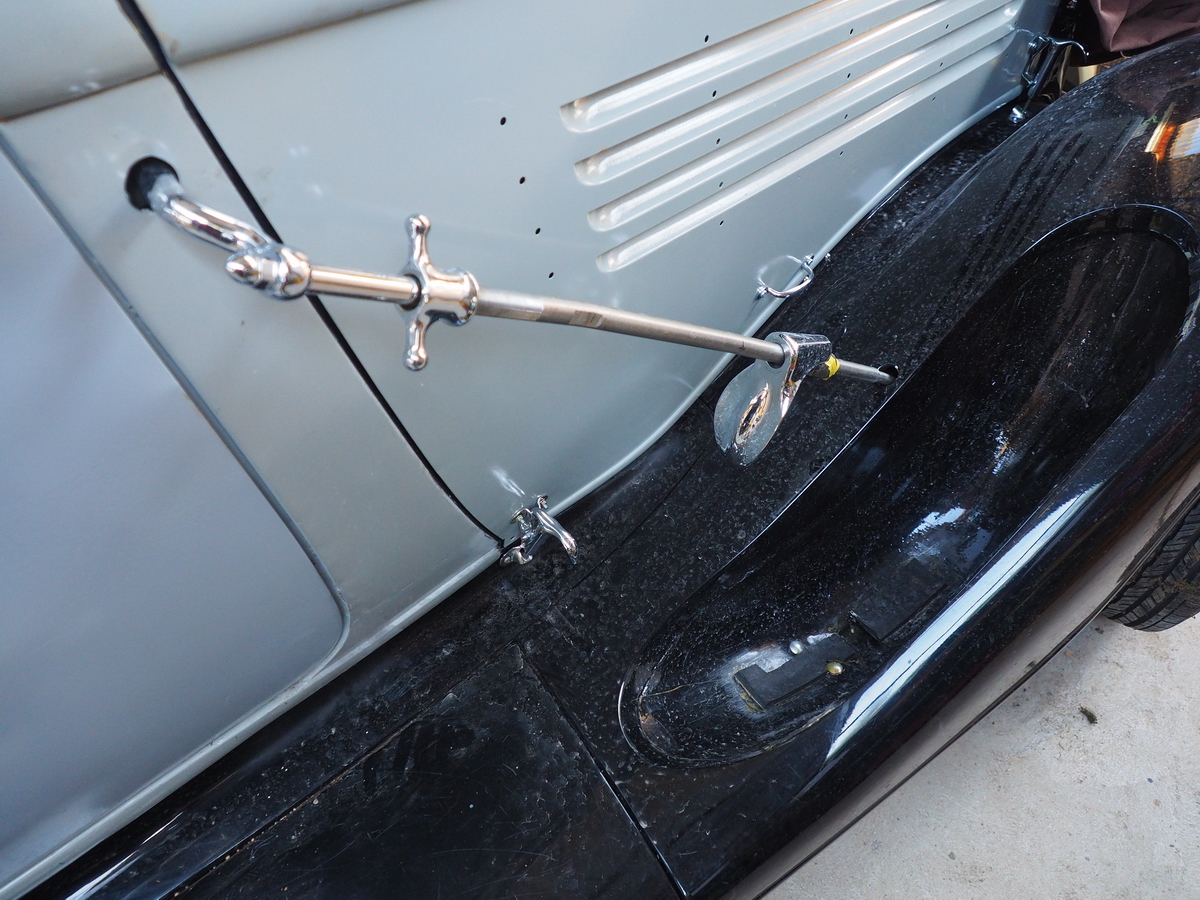
The clamps and brackets are all original, repaired and chromed with replica rubbers. The rods are new in 19 mm stainless copied from original including the 2 bends.
Bumpers and bumper irons..
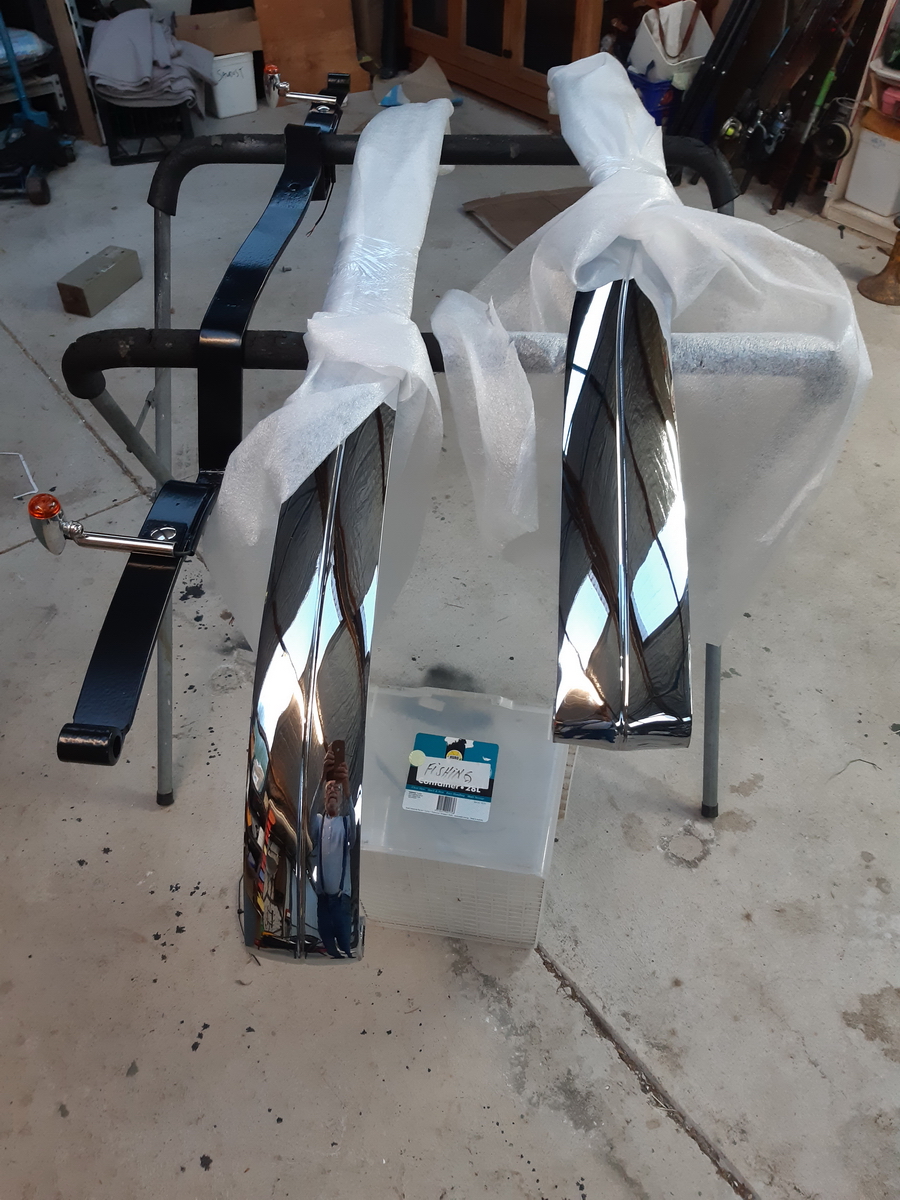
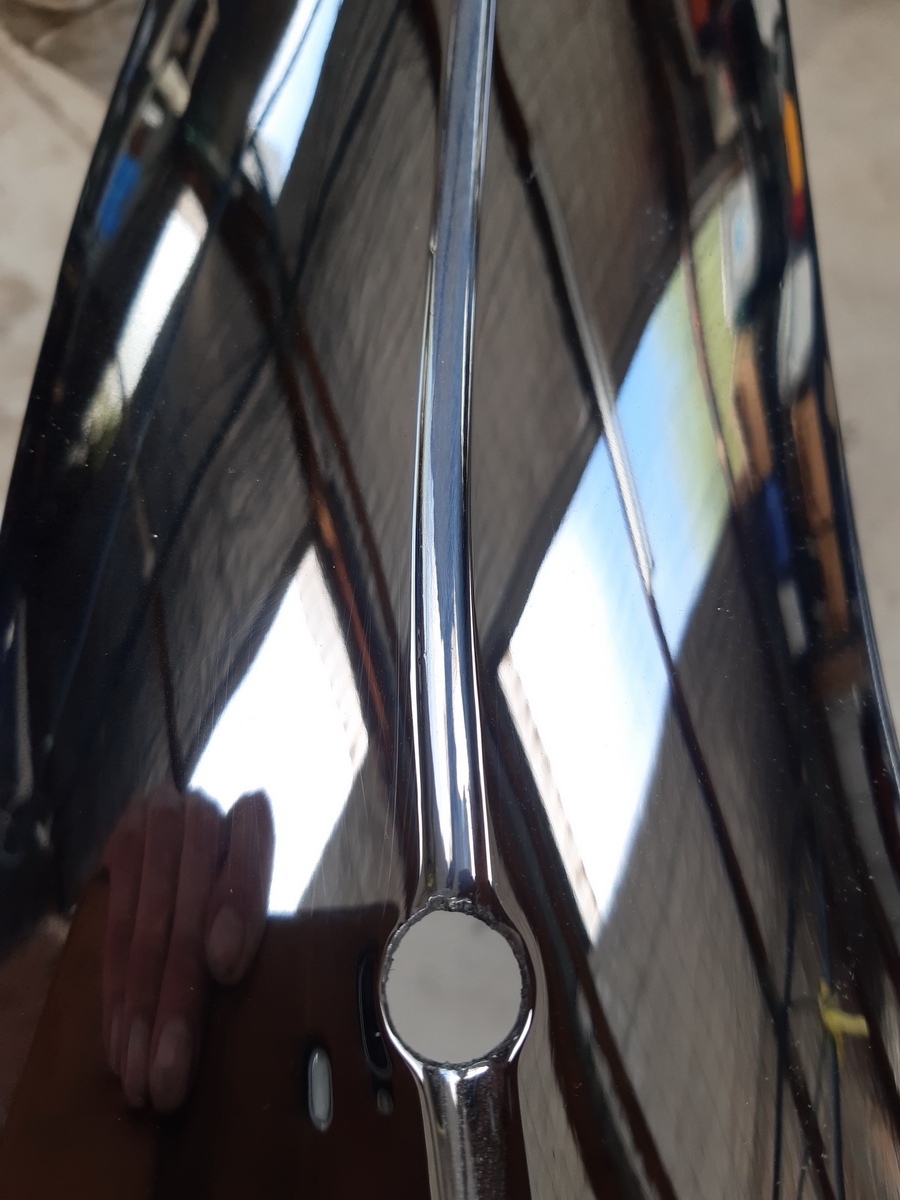
Ya gotta be happy with that !!! Even the centre groove has been repaired and looks factory. The rear bumper (left) and irons came off Frank Robinsons CB Chrysler from Ballarat in about 1979. As only 10 came to Australia it was a chance meeting with Frank when he said "how come you have a CB Chrysler in your backyard". He had it as a kid as a paddock basher and we went to see what was worth salvaging, which was very little except the rear bumper.. The front bumper (right) and part of the irons came from Bendigo swap and are probably from a 32 Chrysler or similar. It has a deeper profile than the rear and has corner bolts. I added dummy corner bolts to the rear bumper.
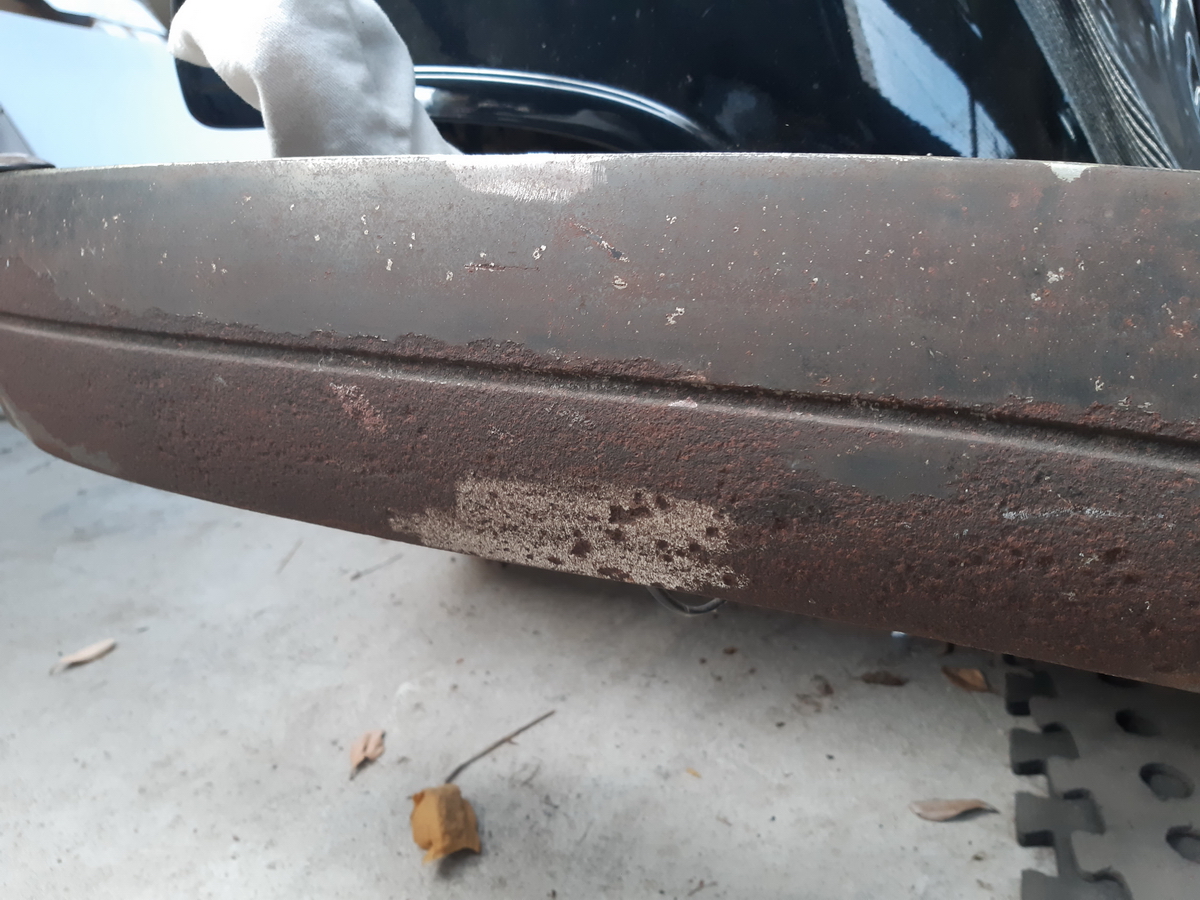
I painted the backs with Penetrol and then a few coats of satin black. I actually like the fact that you can see the pitting there as it gives the car some history.
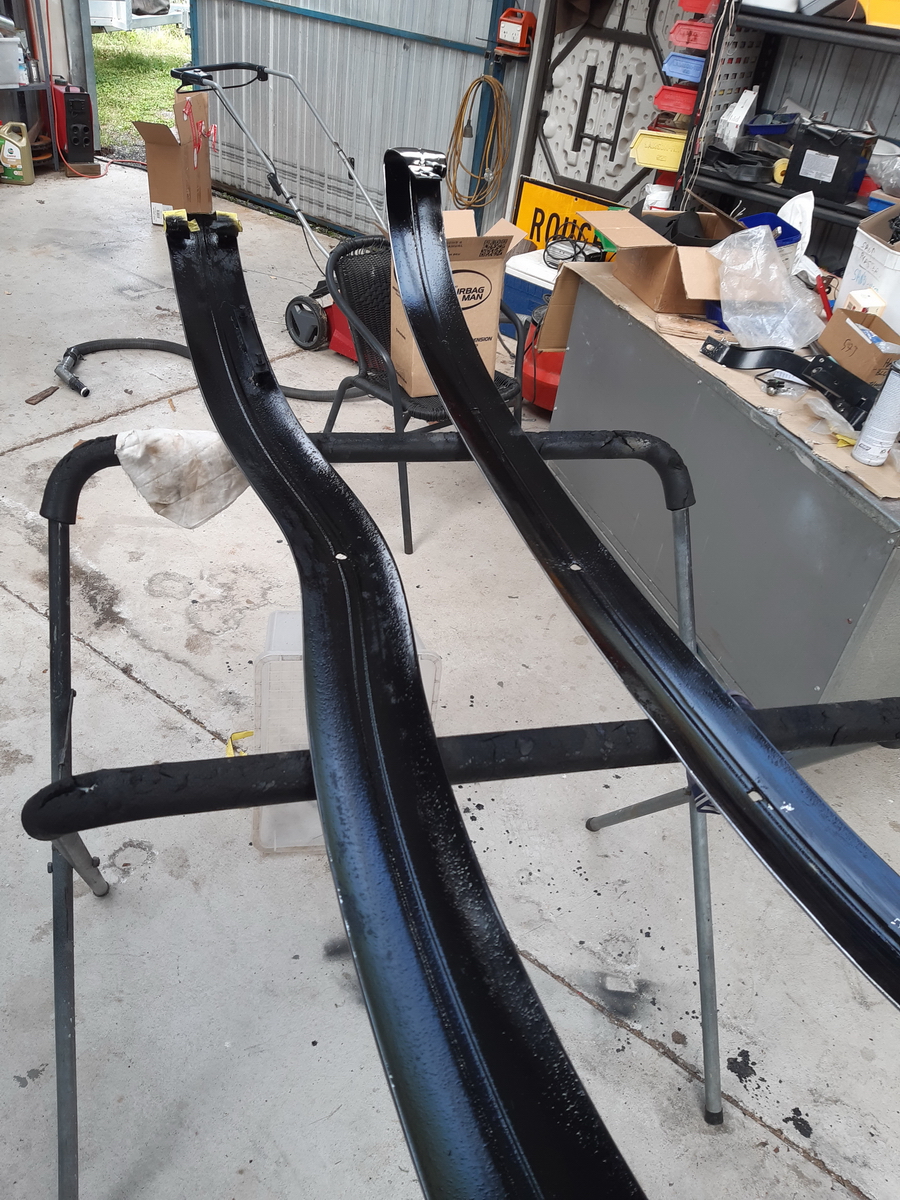
Rear bumper irons with 8 mm tube for wiring.
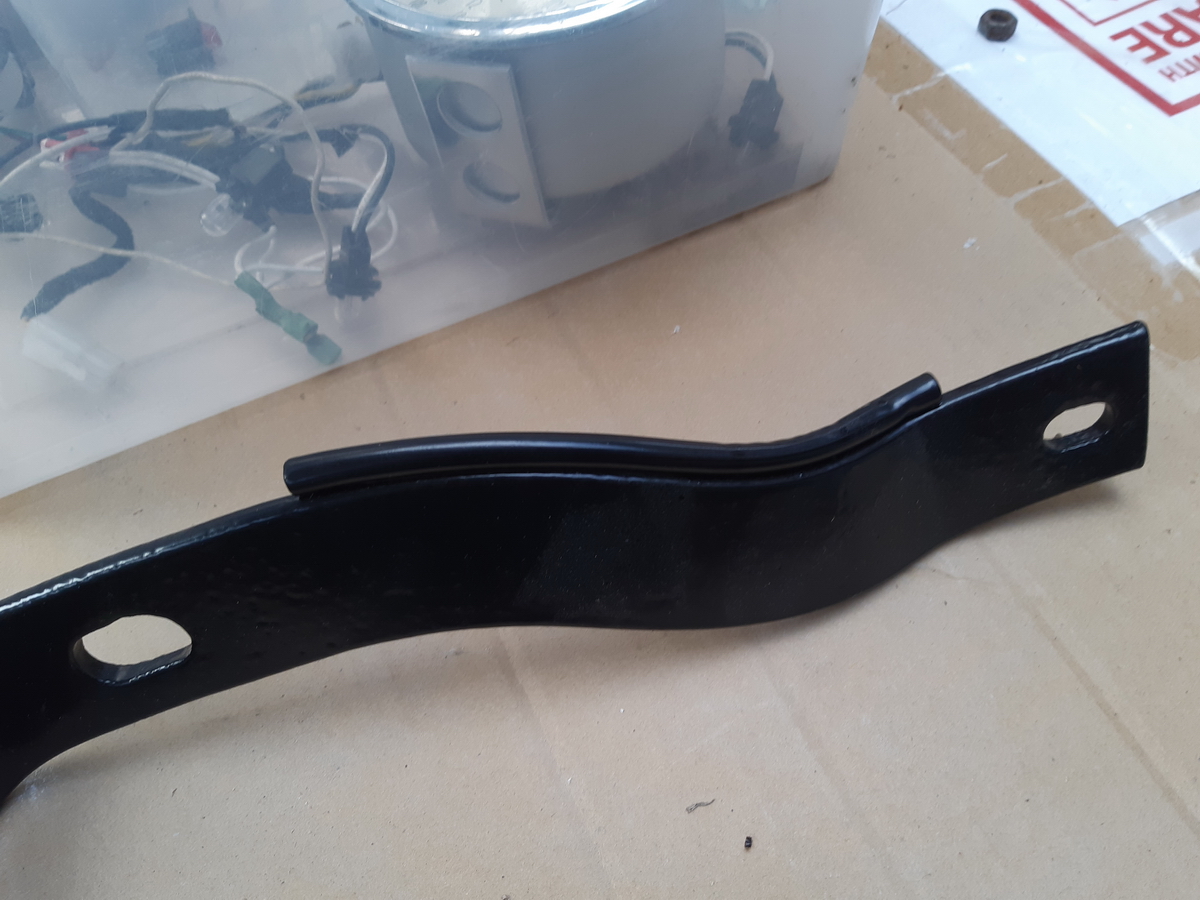
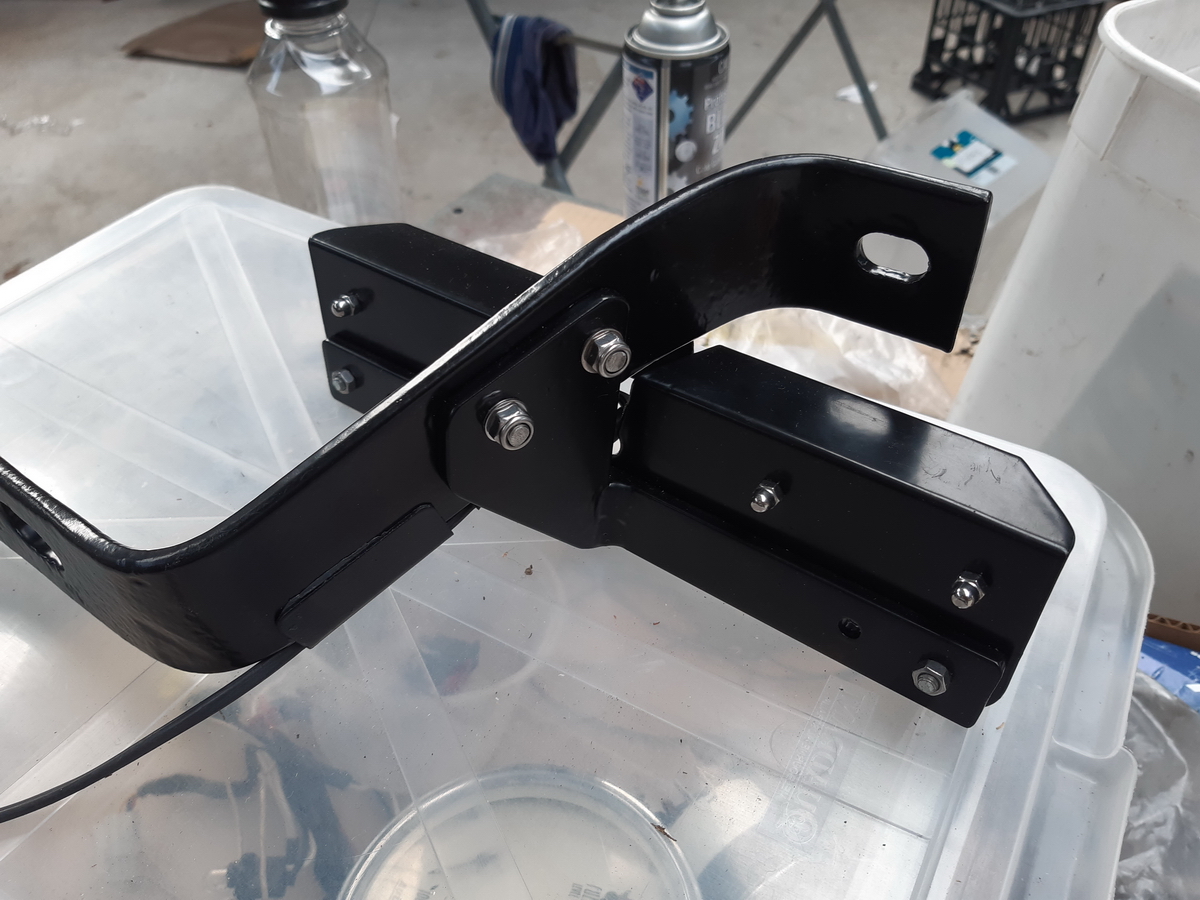
The front bumper irons had to be rebuilt to fit this chassis, not easy to weld spring steel to mild steel. I also added 8 mm tubing under the bottom edge to carry the turn signal wiring.
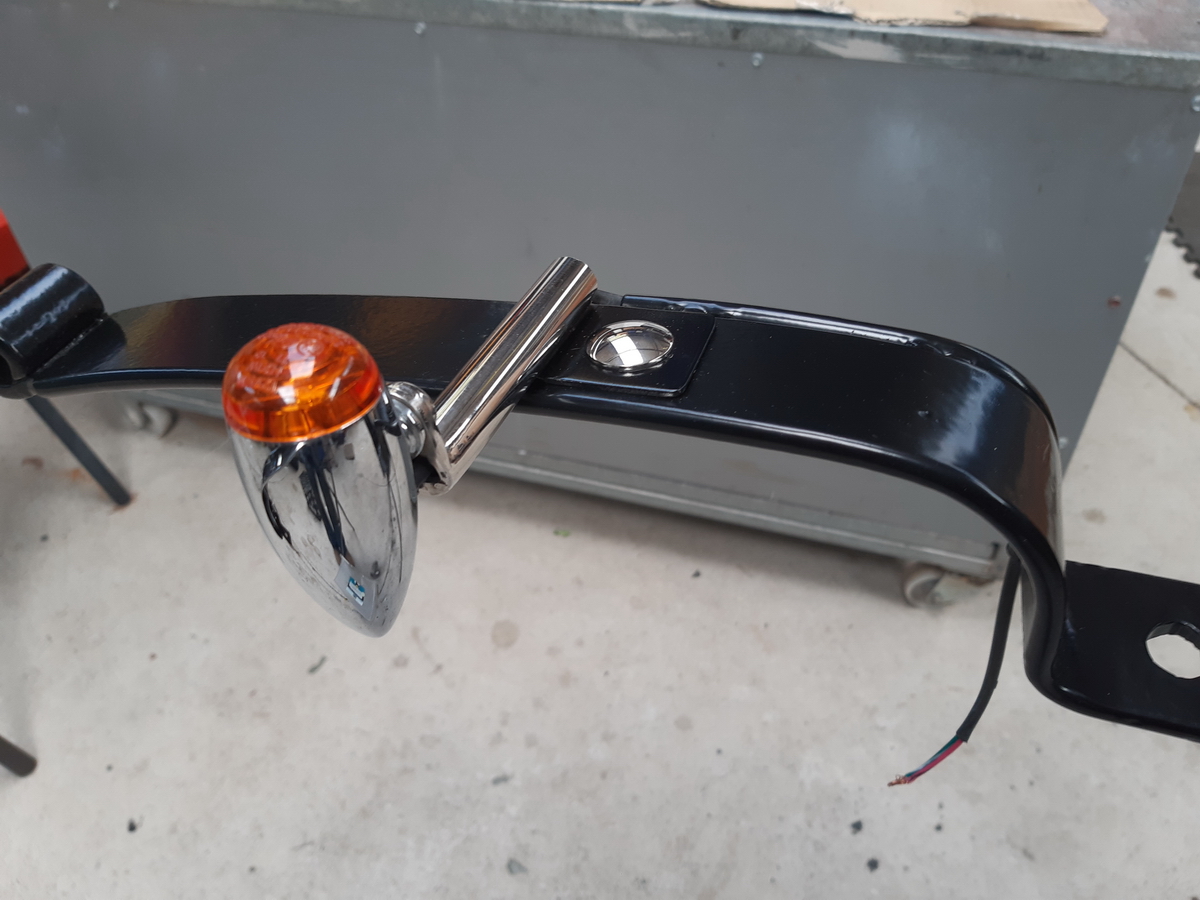
Rear number plate bracket was difficult to sort out, finding a good location and them making it as invisible as possible. You will notice a small black sheetmetal part bottom left. I expoxied (JB Weld) this to the bracket after I ran the wiring through it.
=========================================
Update October 2025
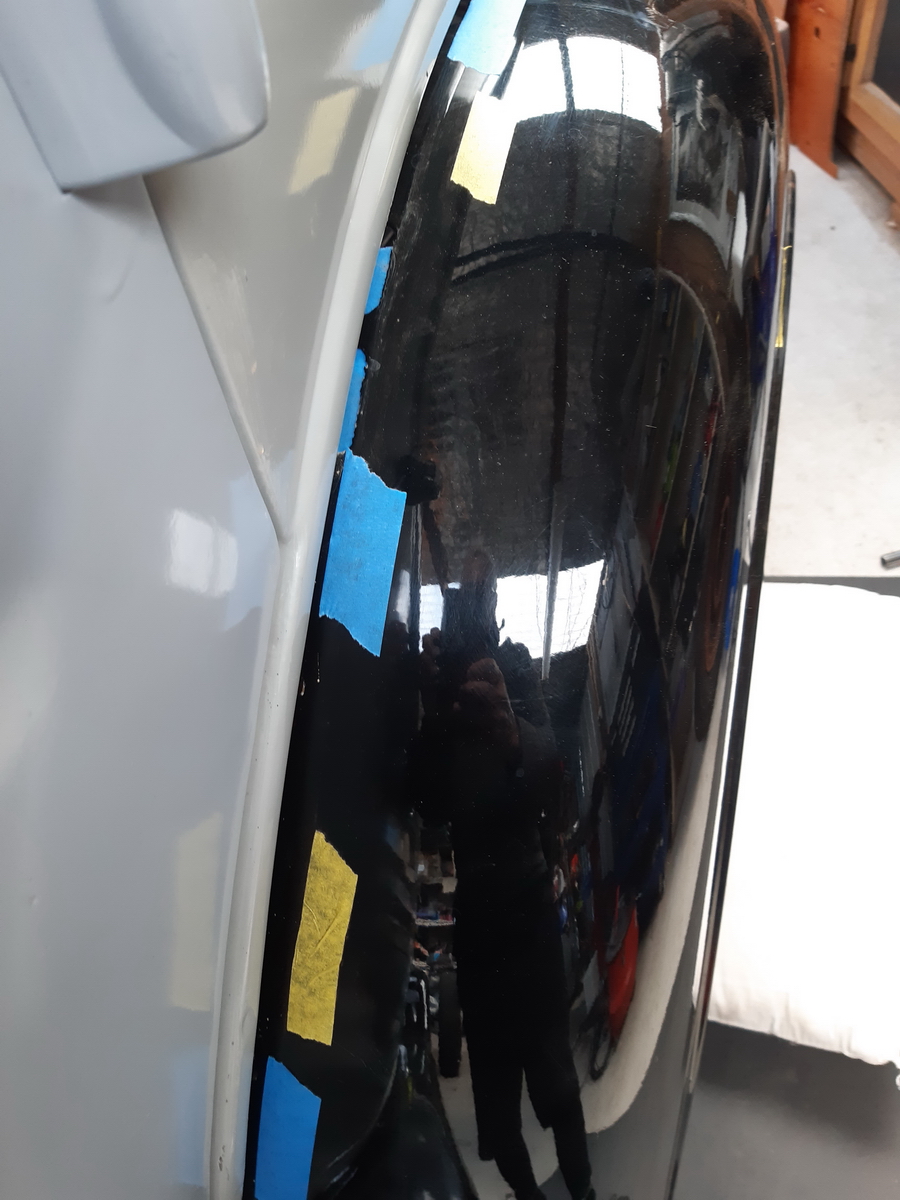
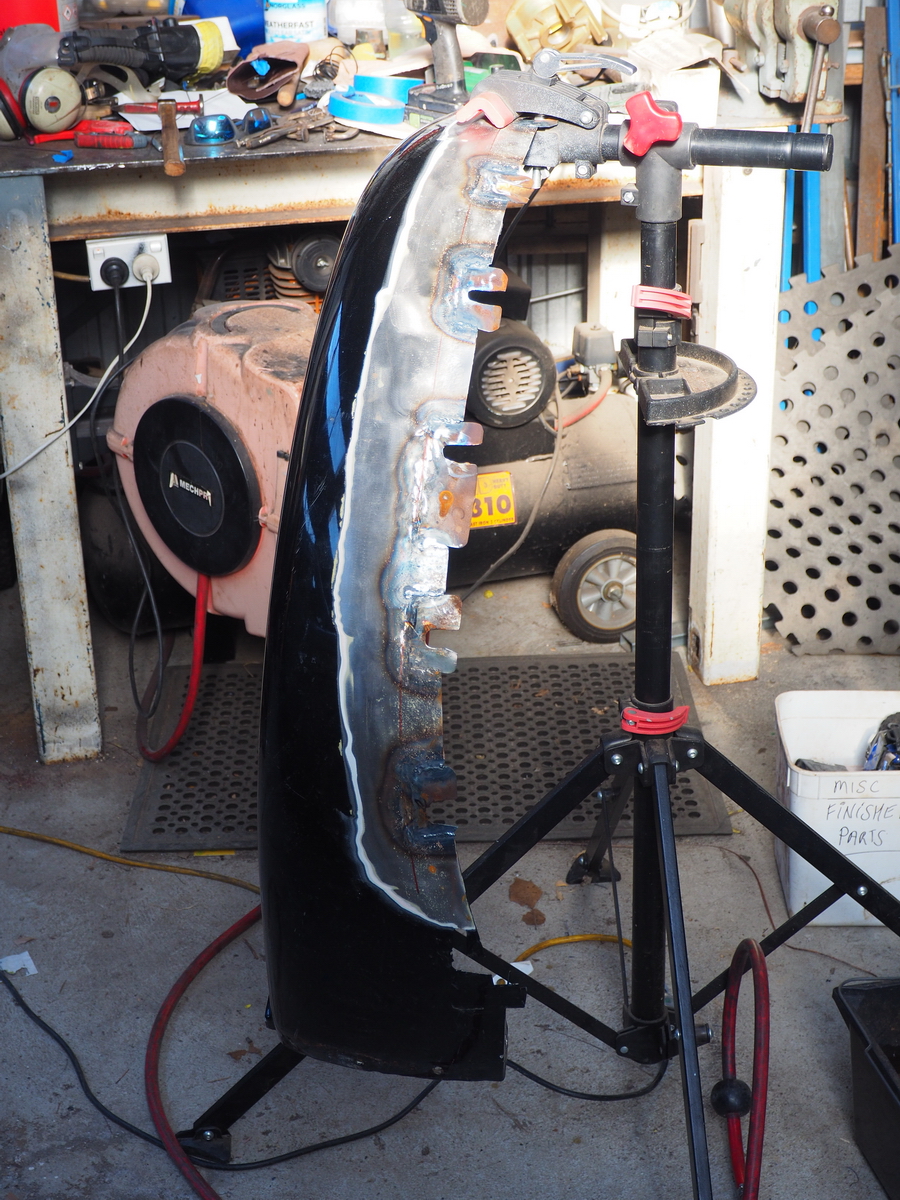
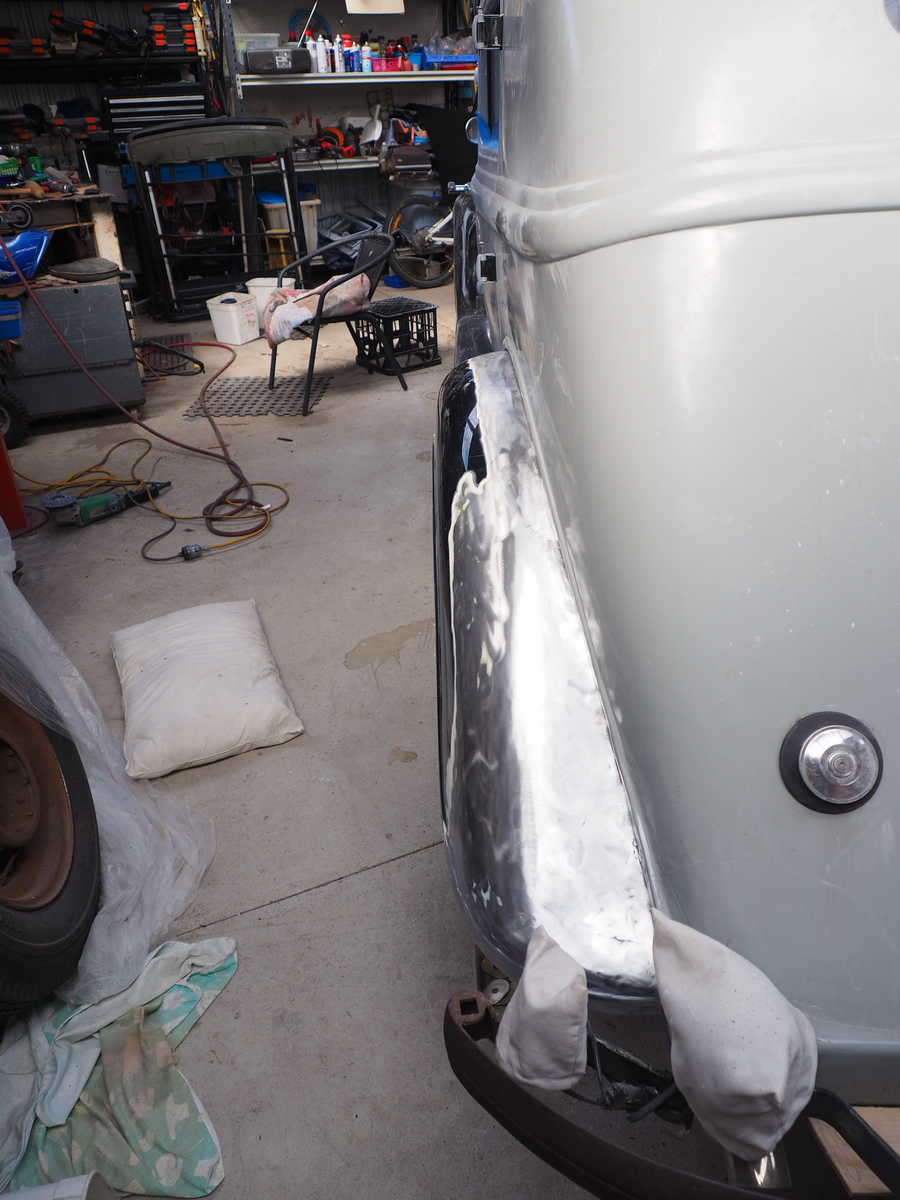
Rear mudguards were too far in as the C pillar had been moved out but no correction made. Tyres were hitting the edge. Yellow is where they were, blue is the new line
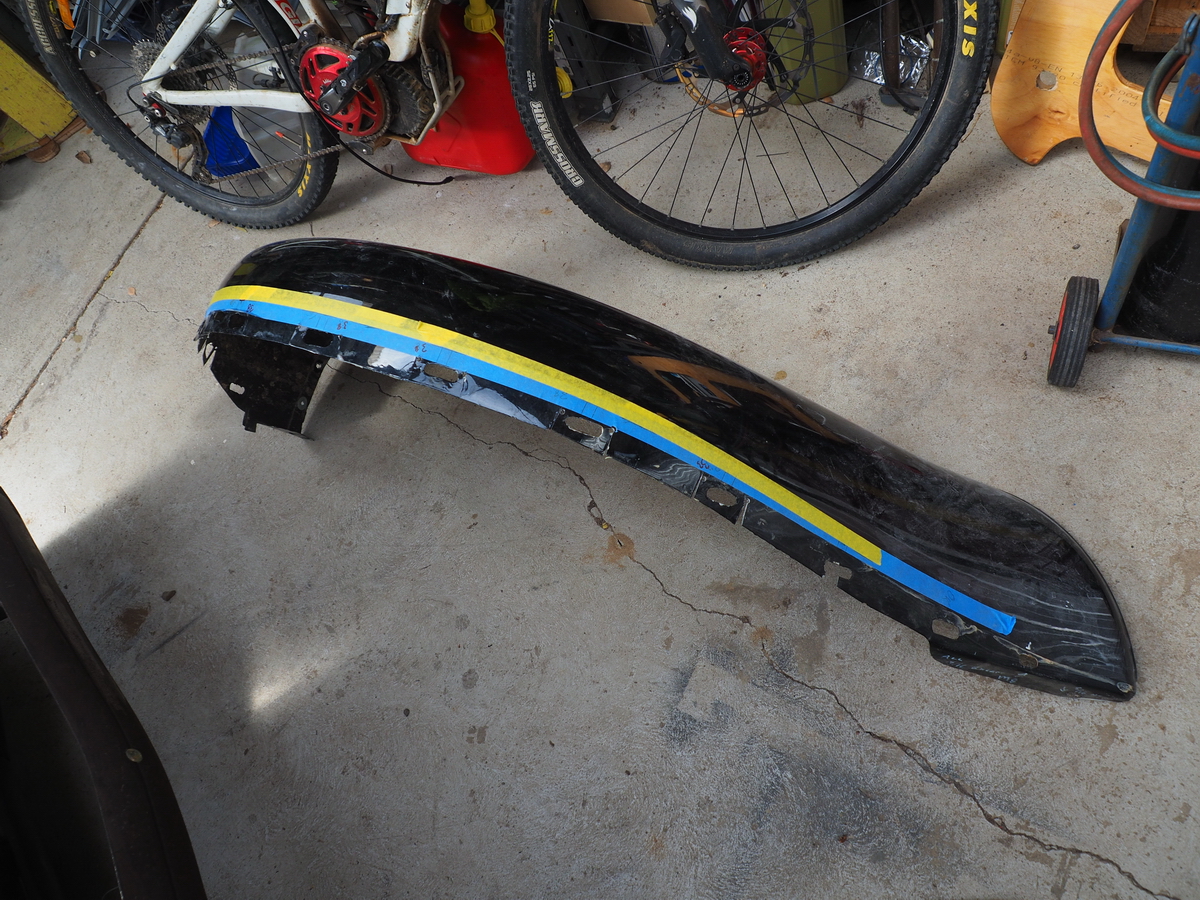
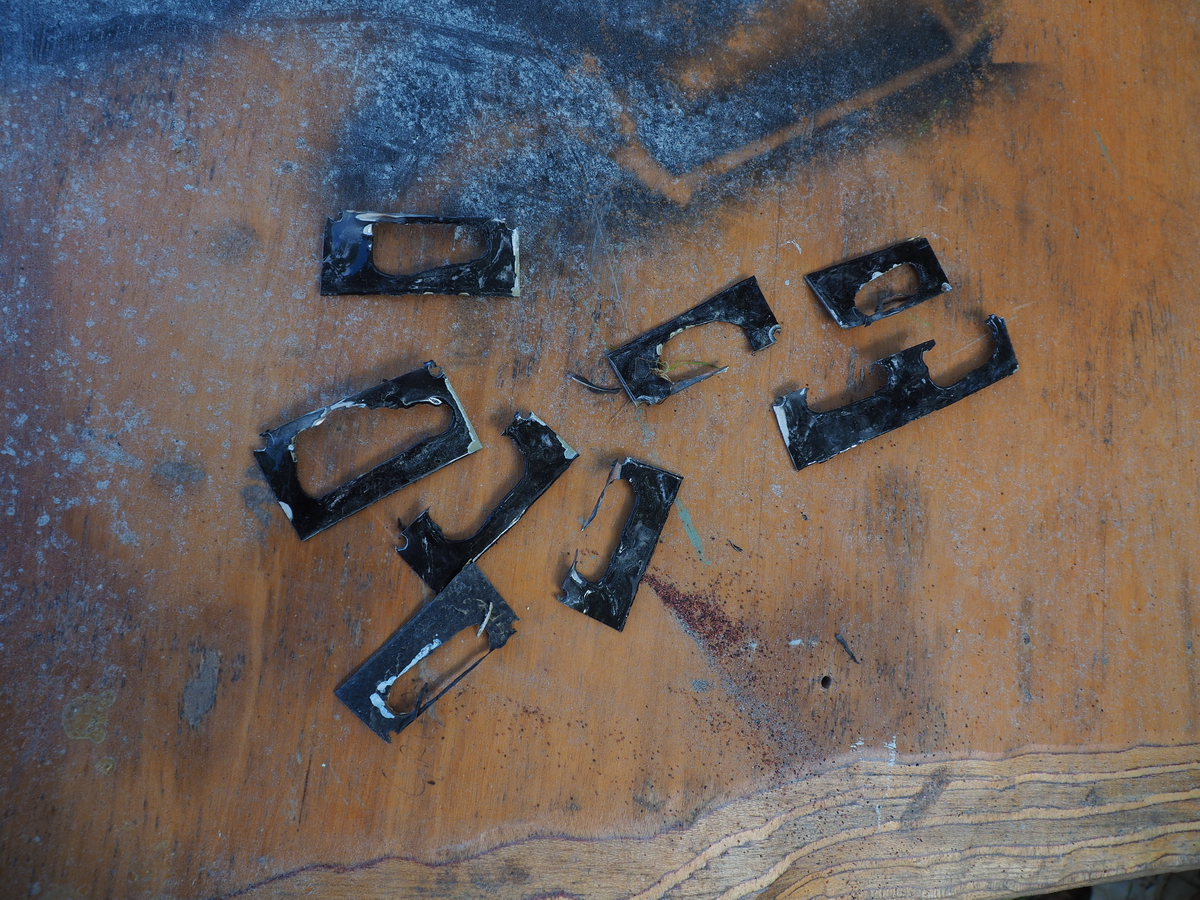
First I had to cut out existing mount holes
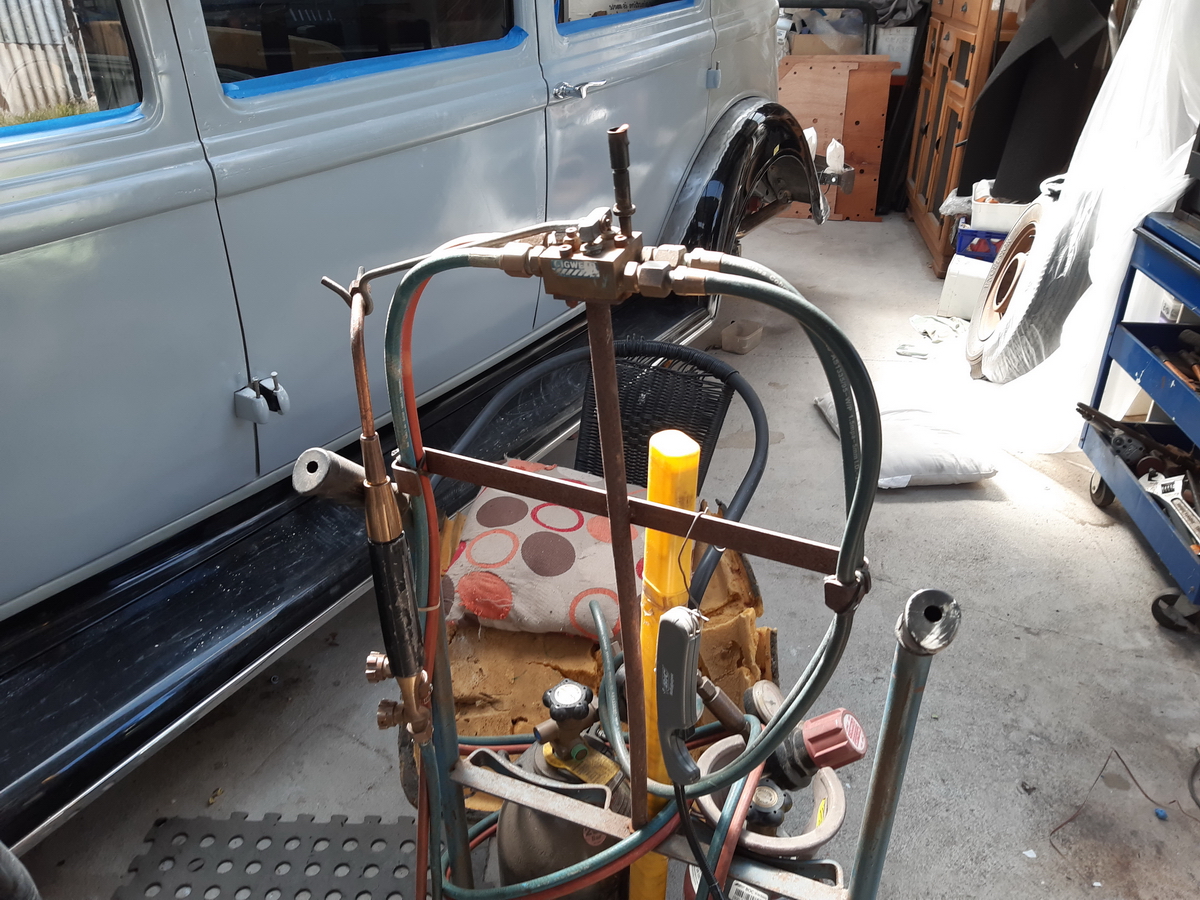
My favourite oxy accessory, the cut-off hanger with pilot light. #6 tip.
New bit partly welded, I triel fitted and tightened before I removed and welded the rest.
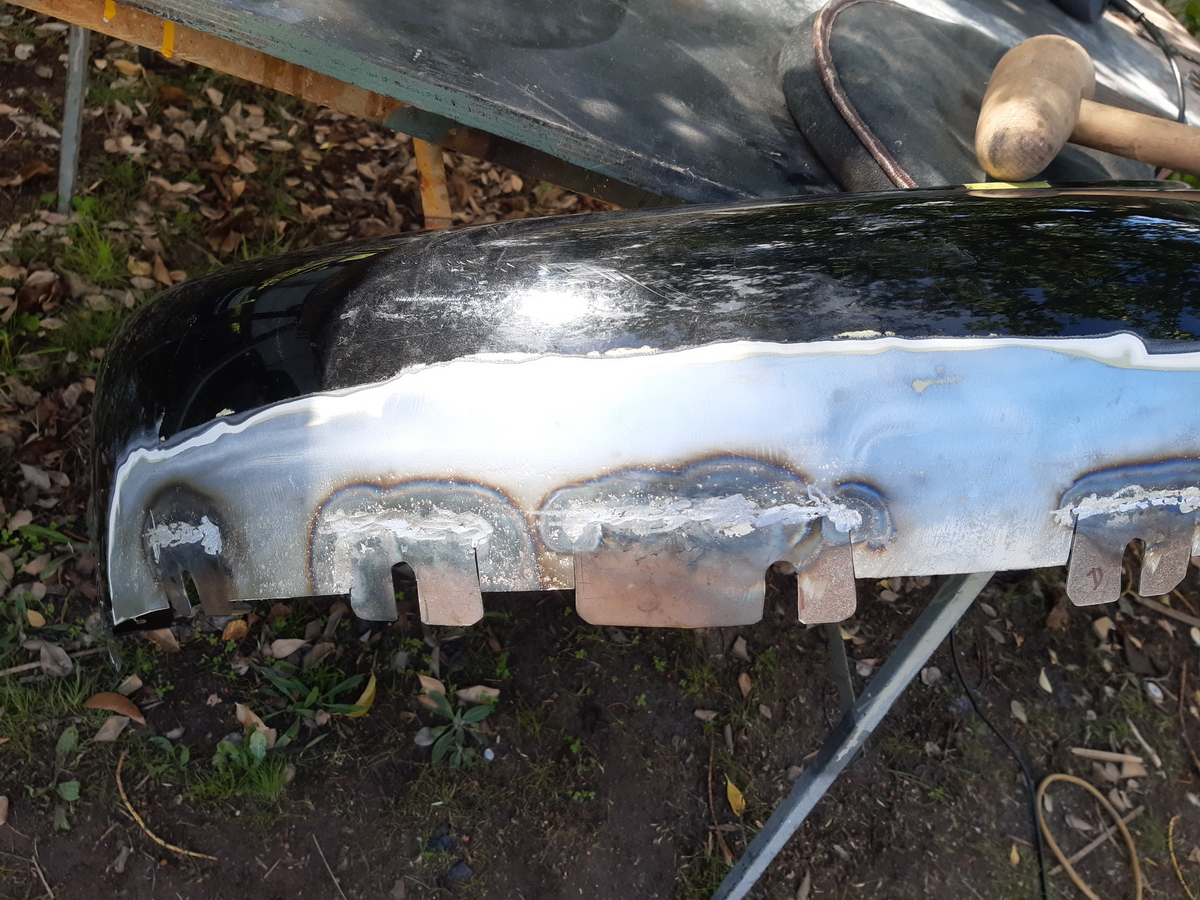
My bike stand makes a good welding stand
The final fit.
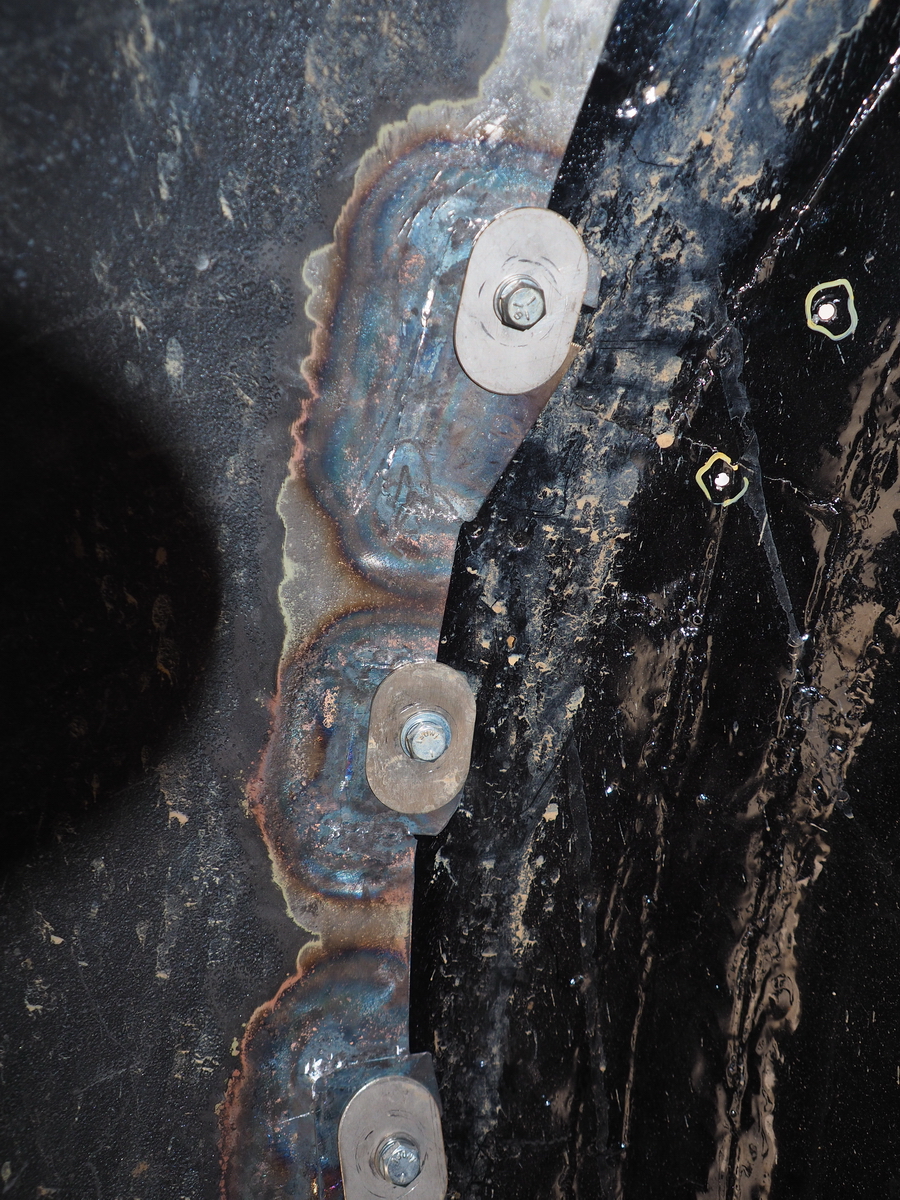
Looking better.
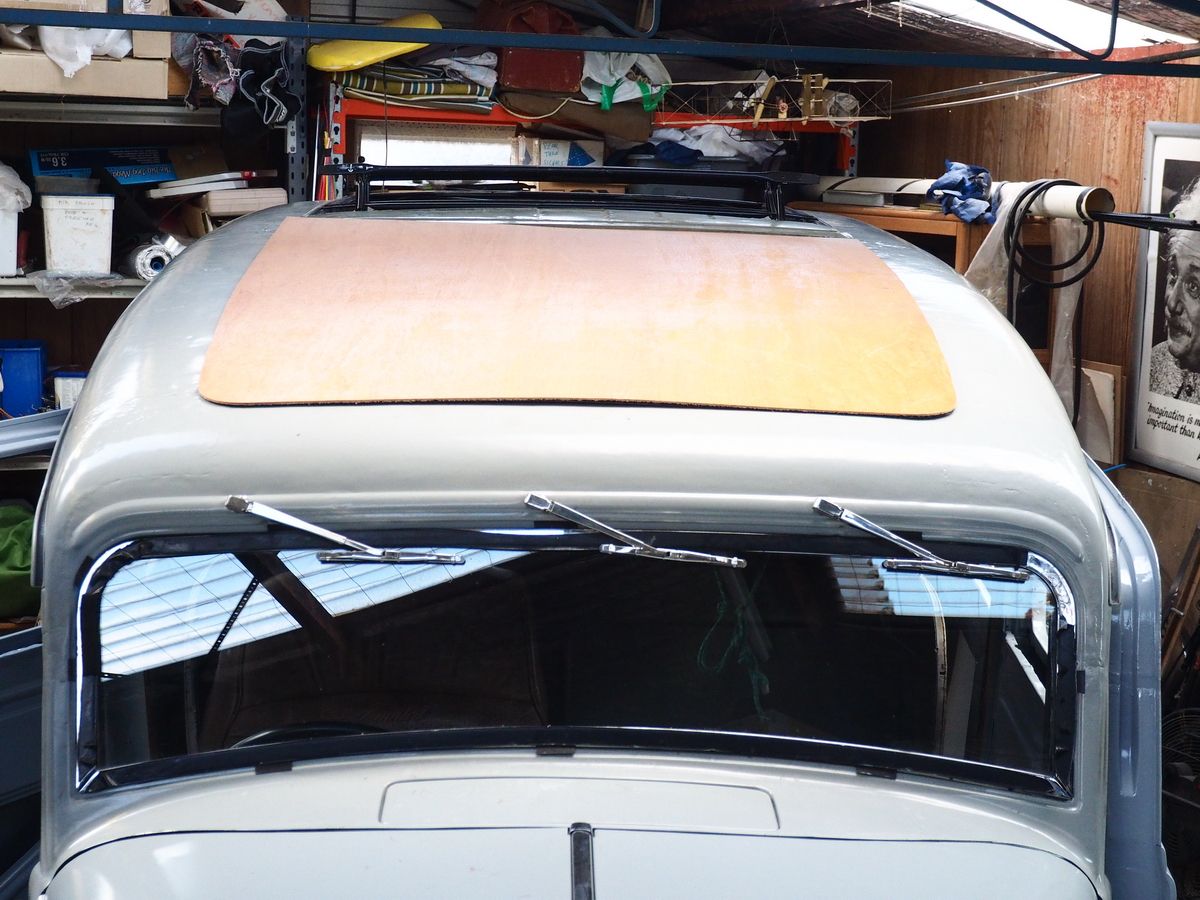
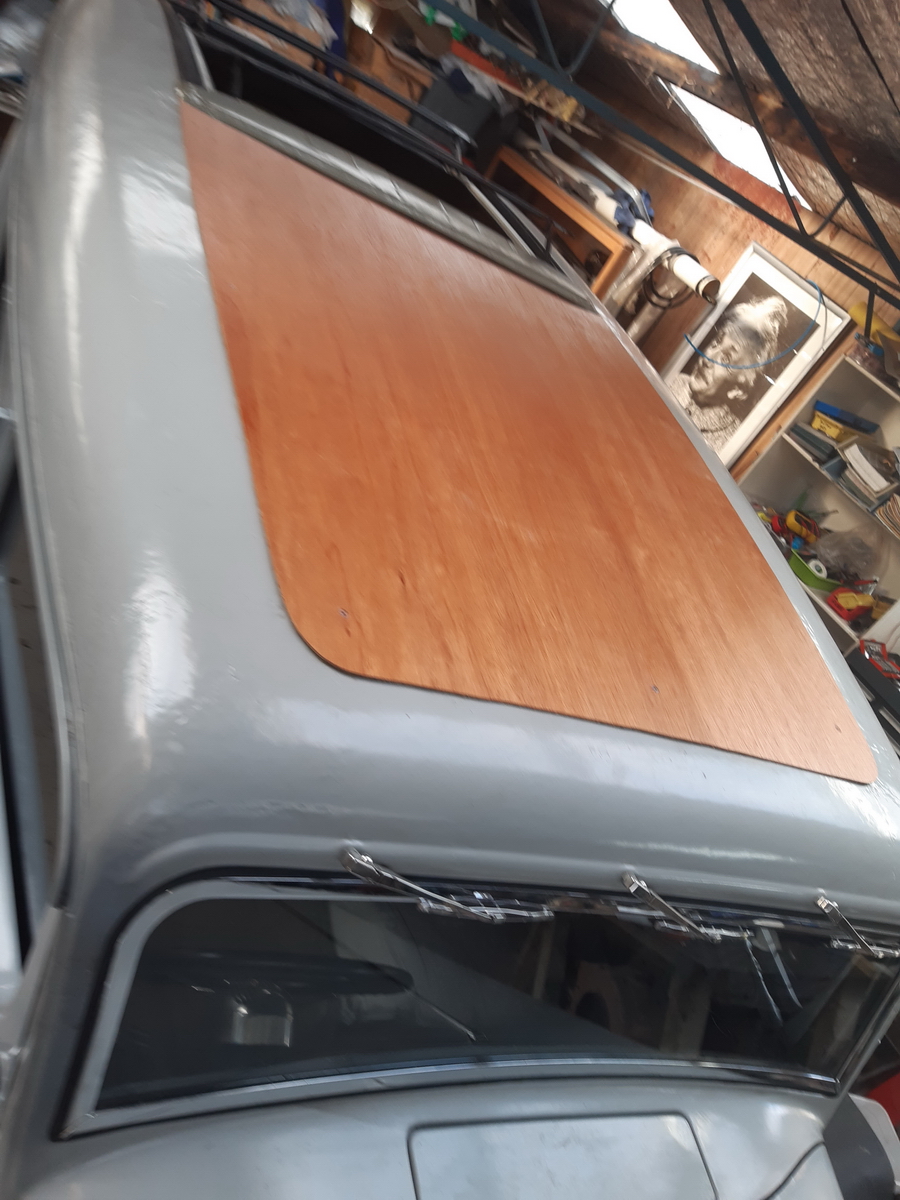
I bought some 2.7 mm ply to fill the front of the roof. It will be convered with 3 mm closed cell foam then convertible top fabric.
The front half is solid, the rear is folding sunroof from 121 Mazda Funtop, widened 5 inches.
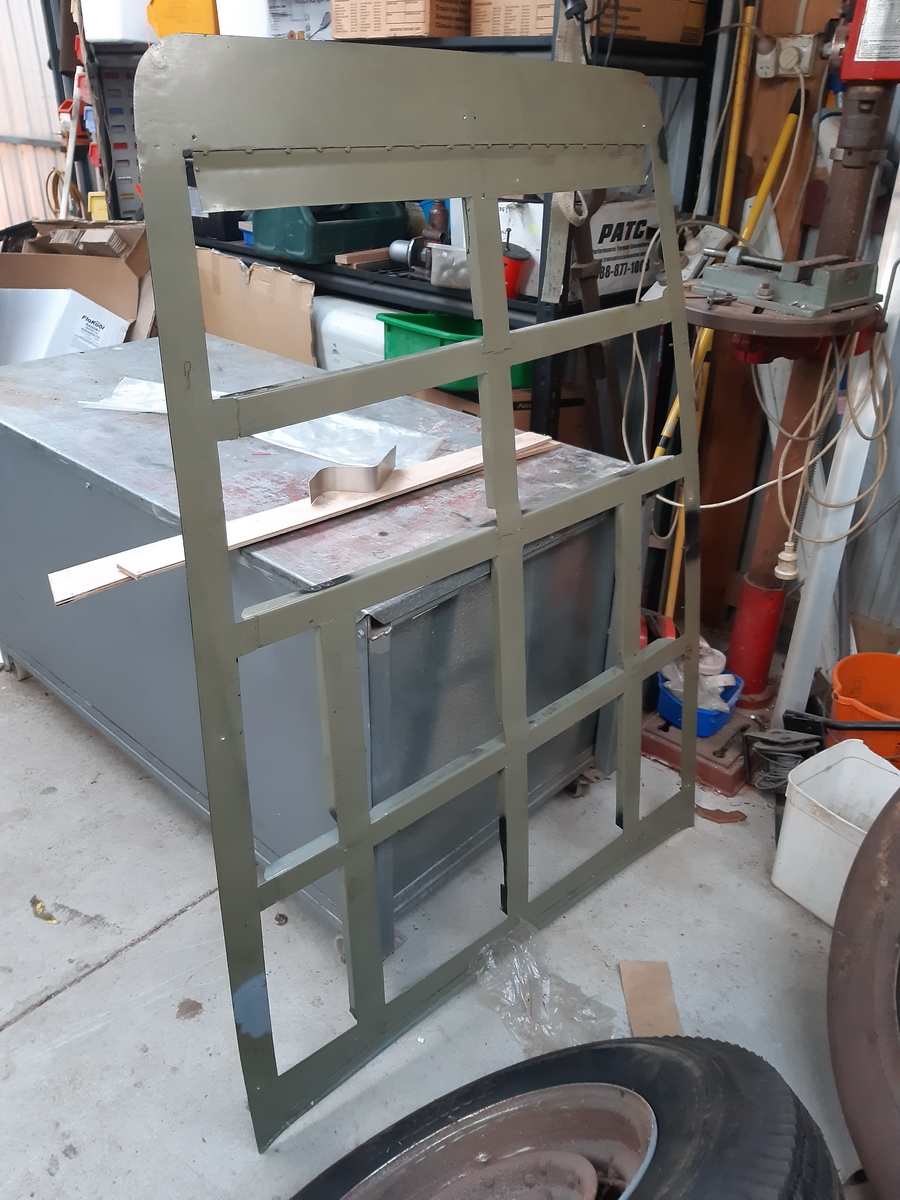
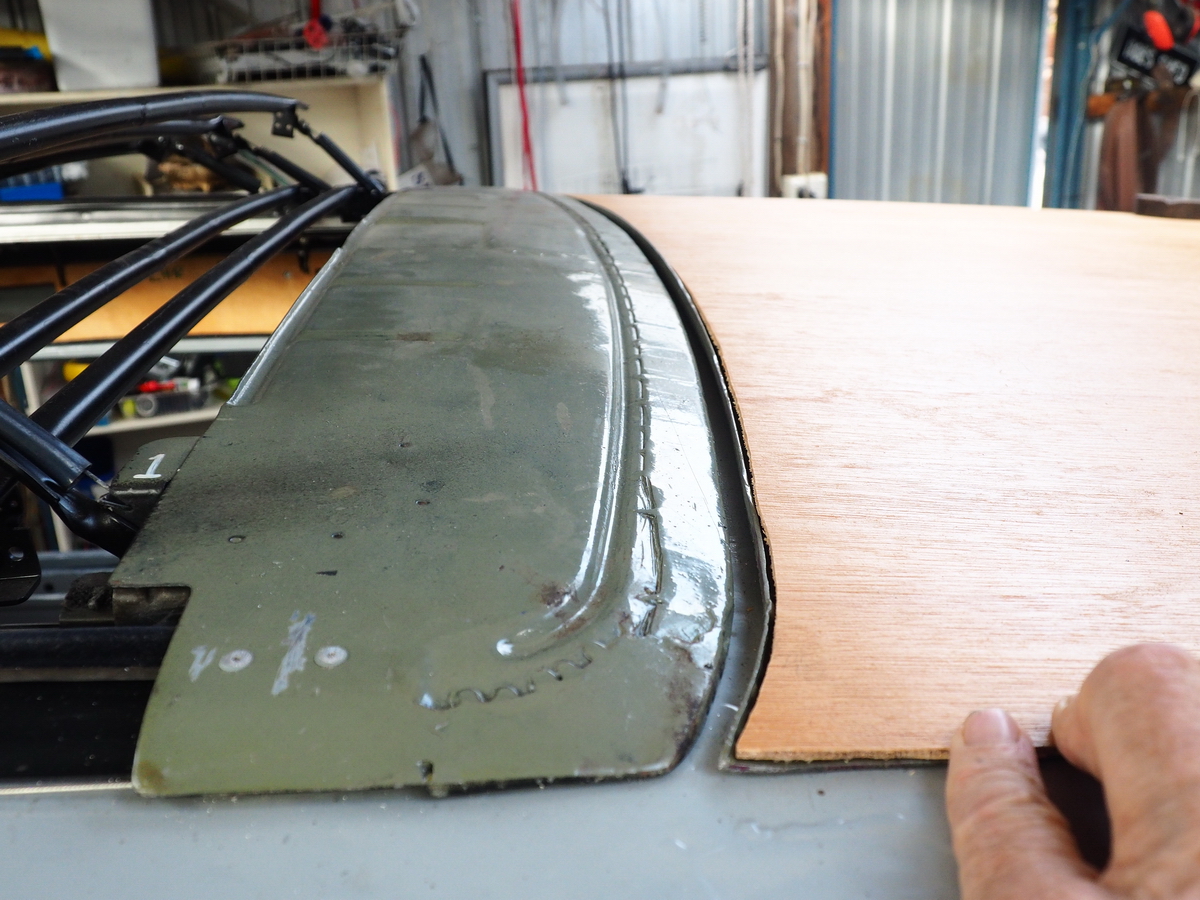
I made up some hood bows out of 5 mm wire but they are probably the wrong stuff. The trimmer said that the steel wire he uses in spring steel.
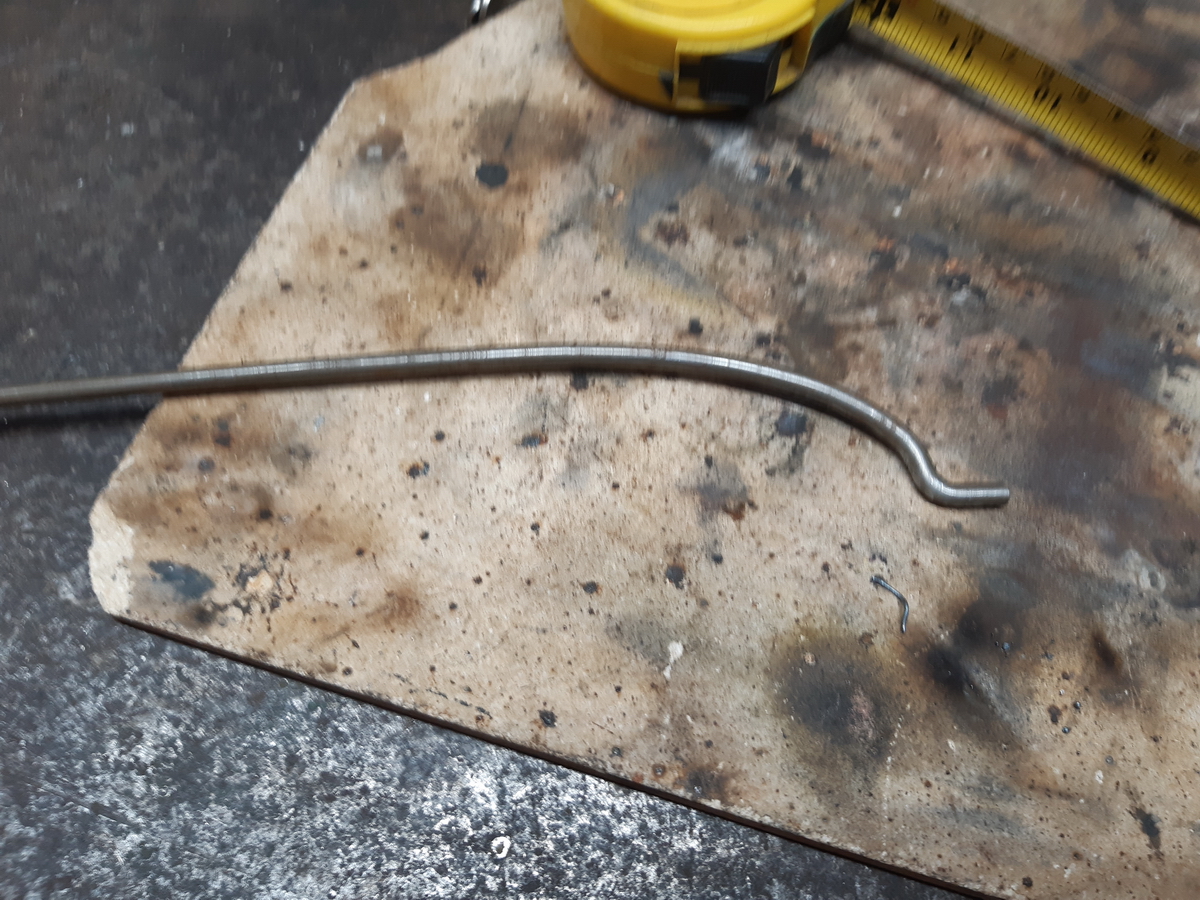
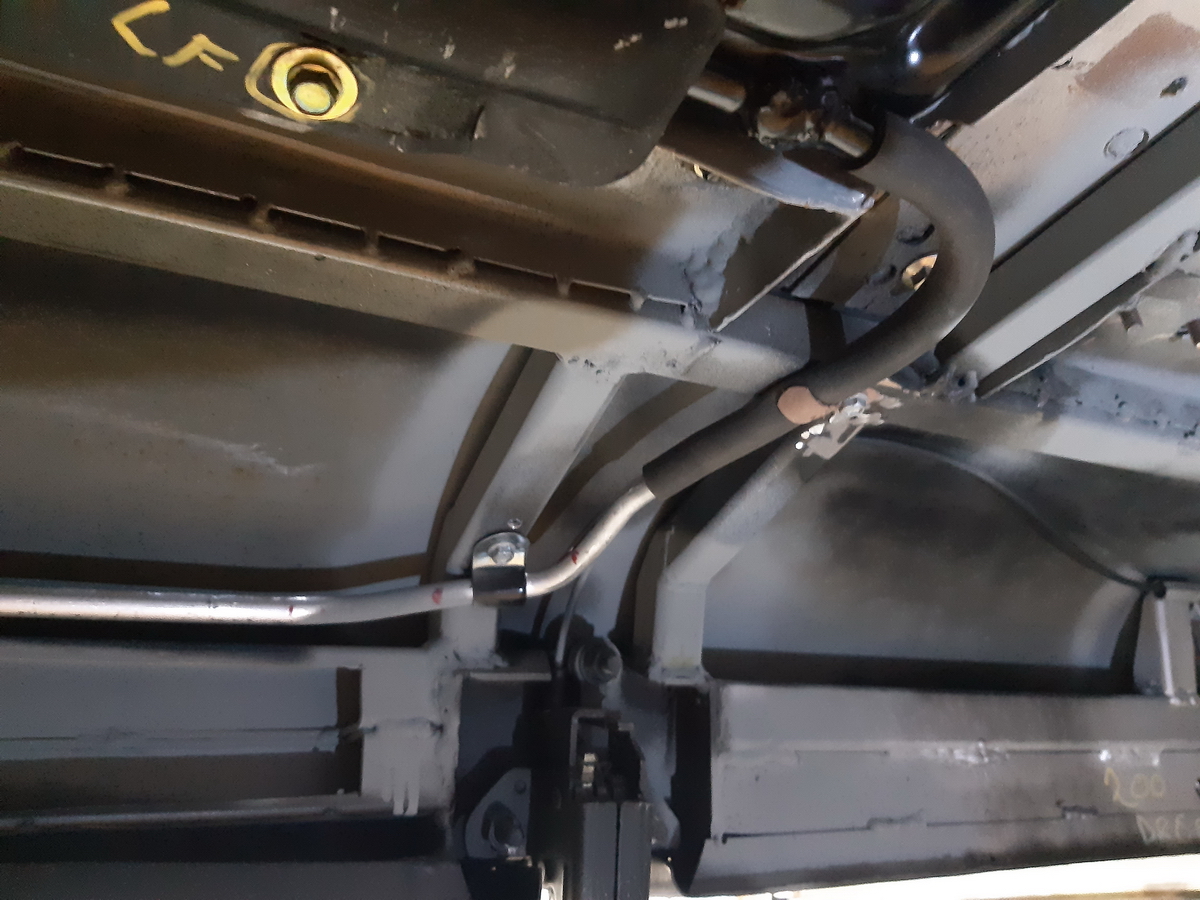
I made up the sunroof drains, then drilled holes in rear floor, made up some adapter pipes to take water under car.
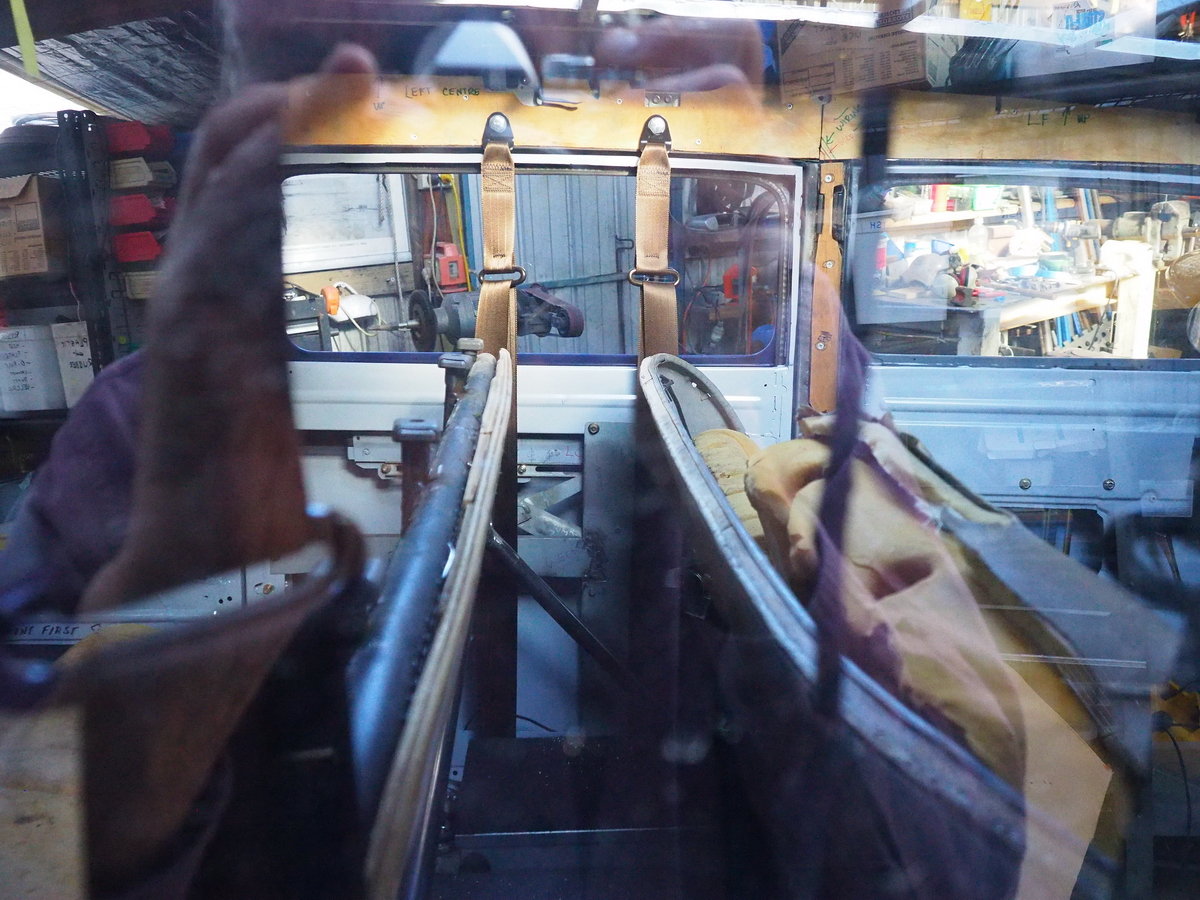
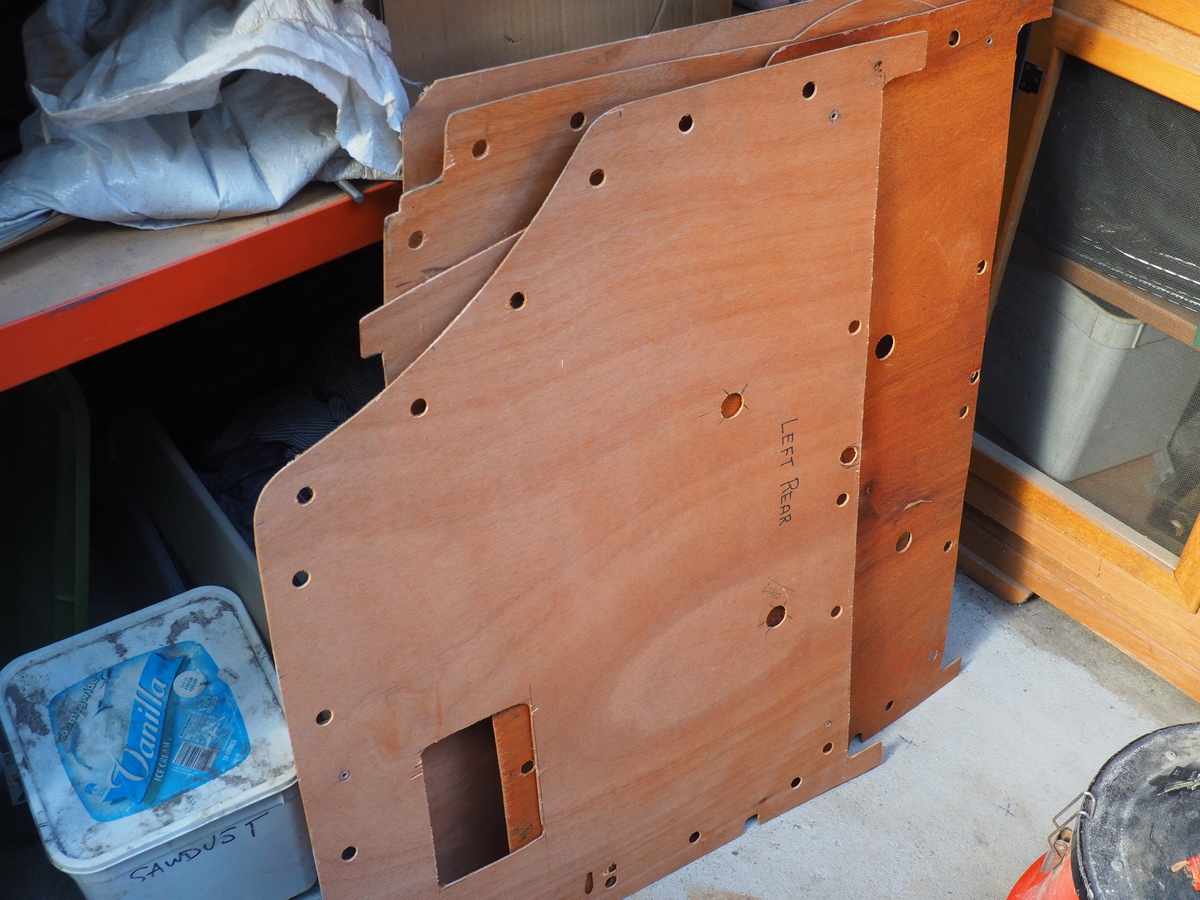
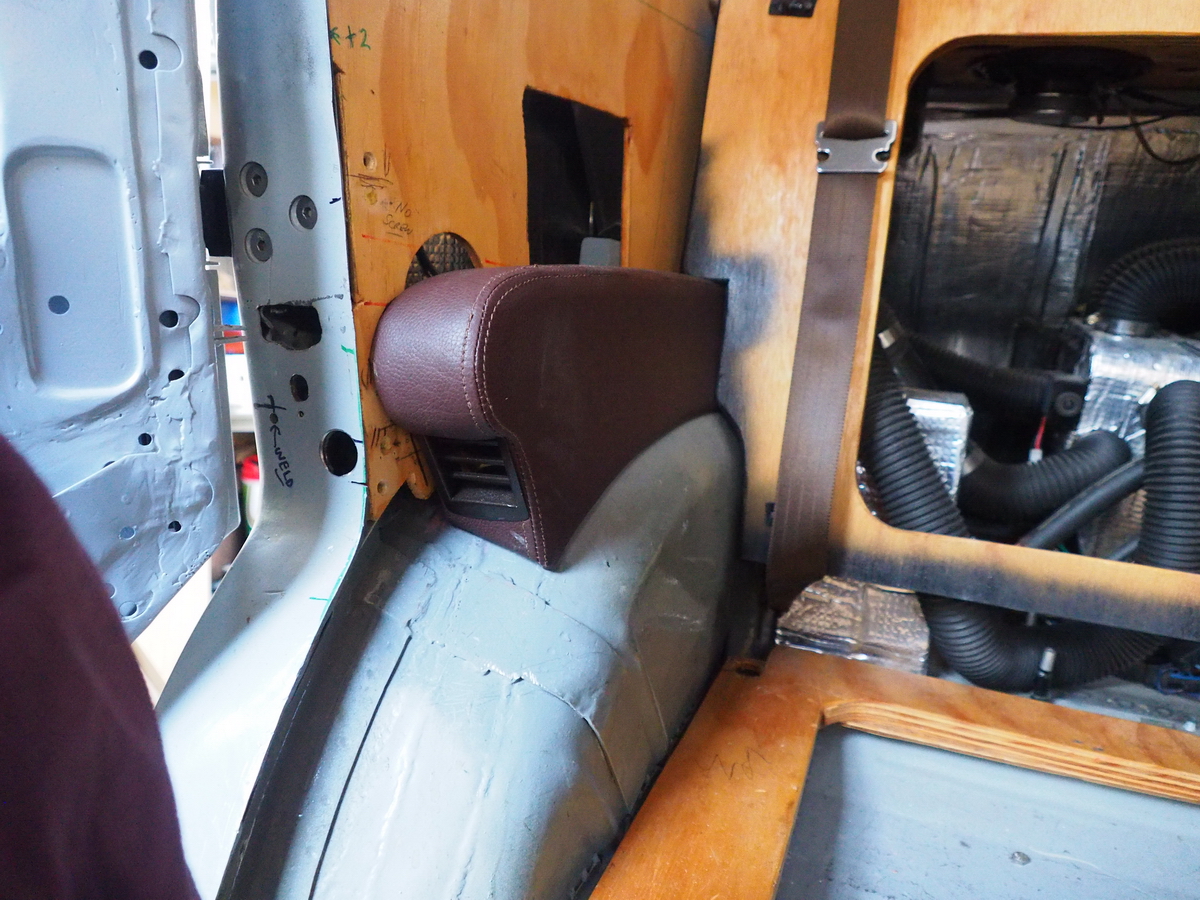
seat frames and seat belts now in place. Wire spring frame to rear of front seat, door trim panels made, armrest with a/c duct inside
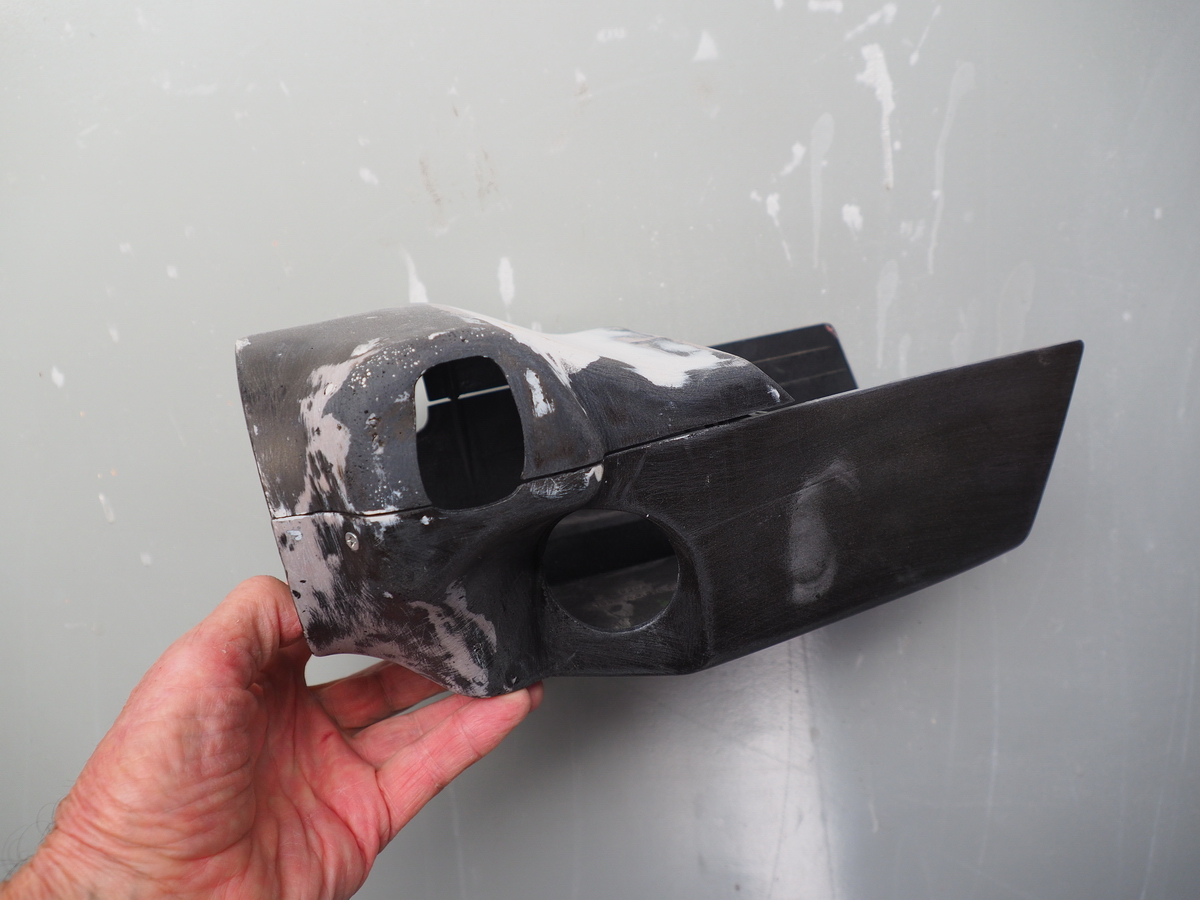
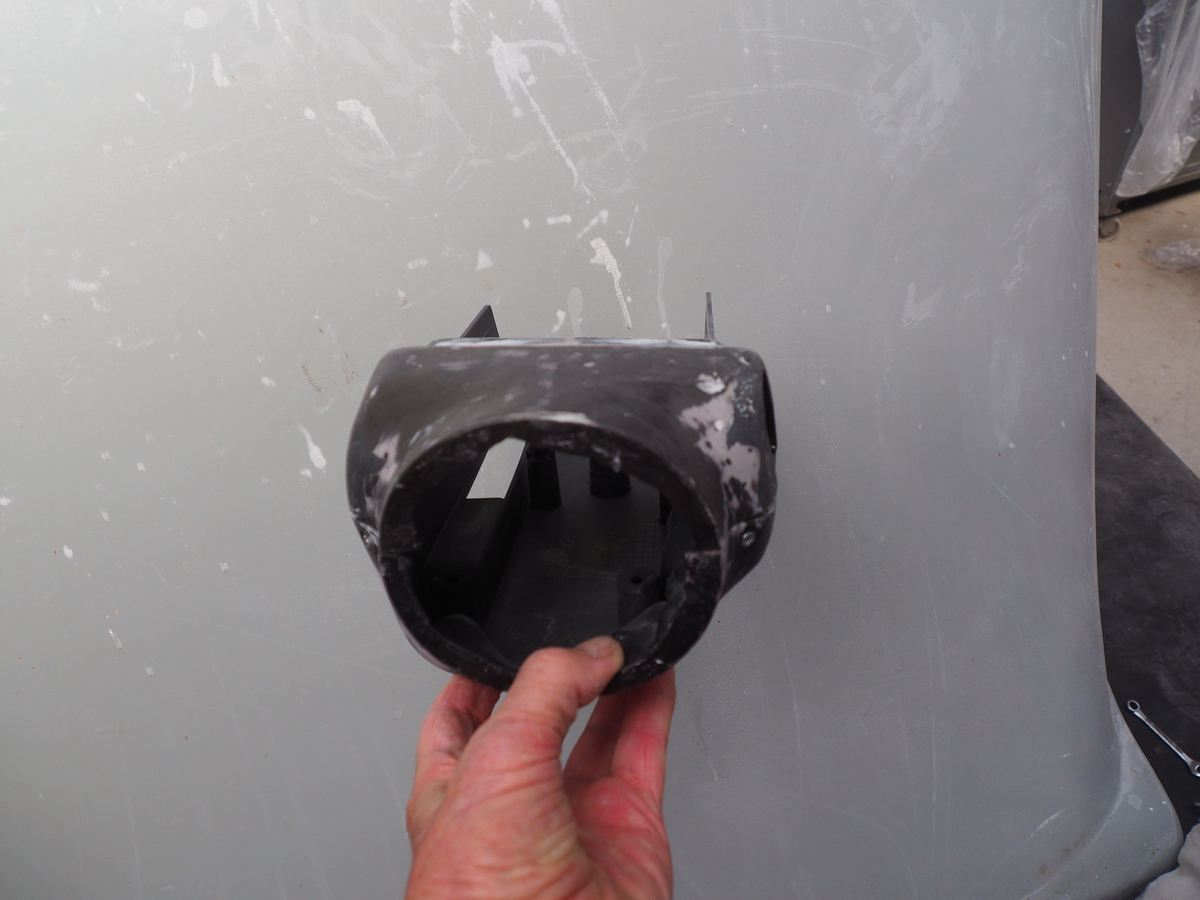
Below is the Holden steering column cover now made roud to fit the repro wire spoke steering wheel.
I melted the plastic with a hot-air gun, reshaped it, smoothed off some square corners and applied some filler.
Trila version of the armrest with the air-cond duct inside.
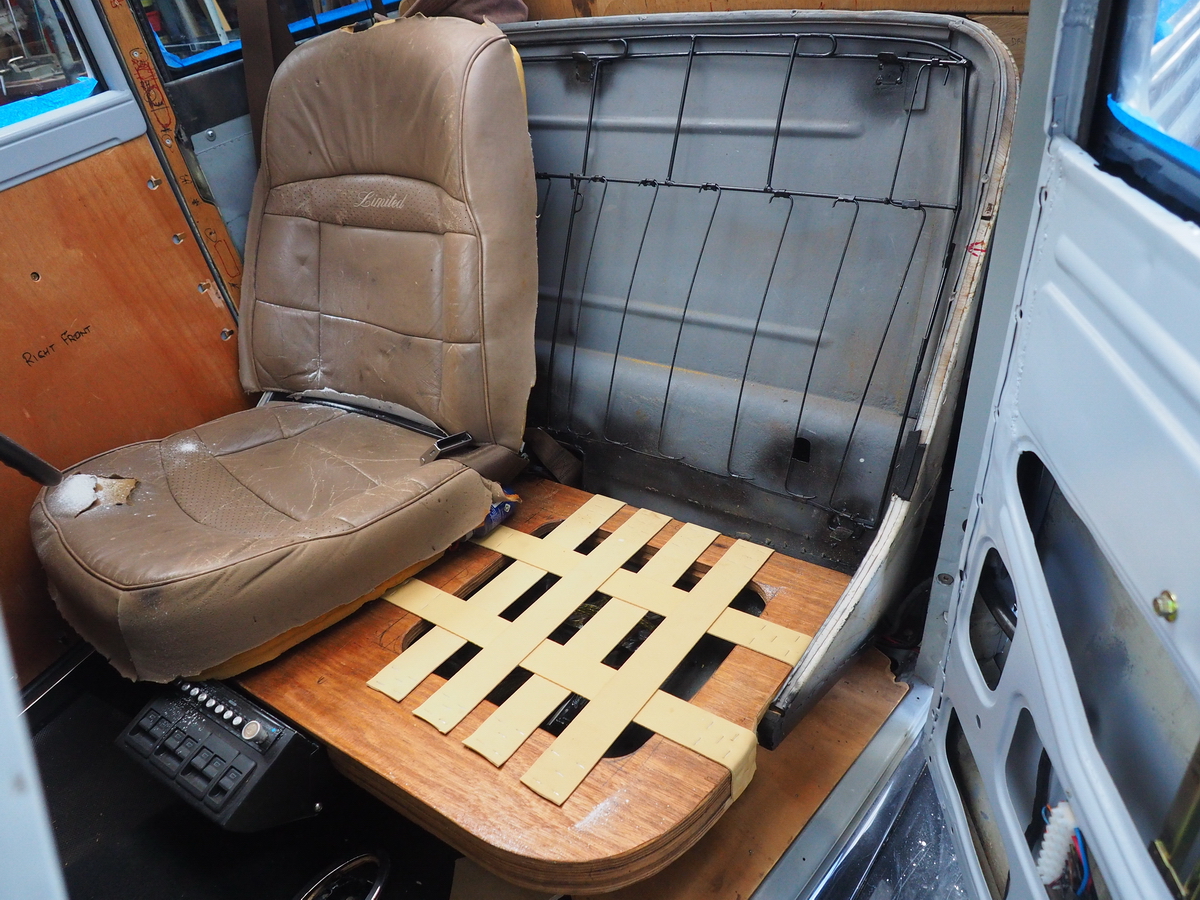
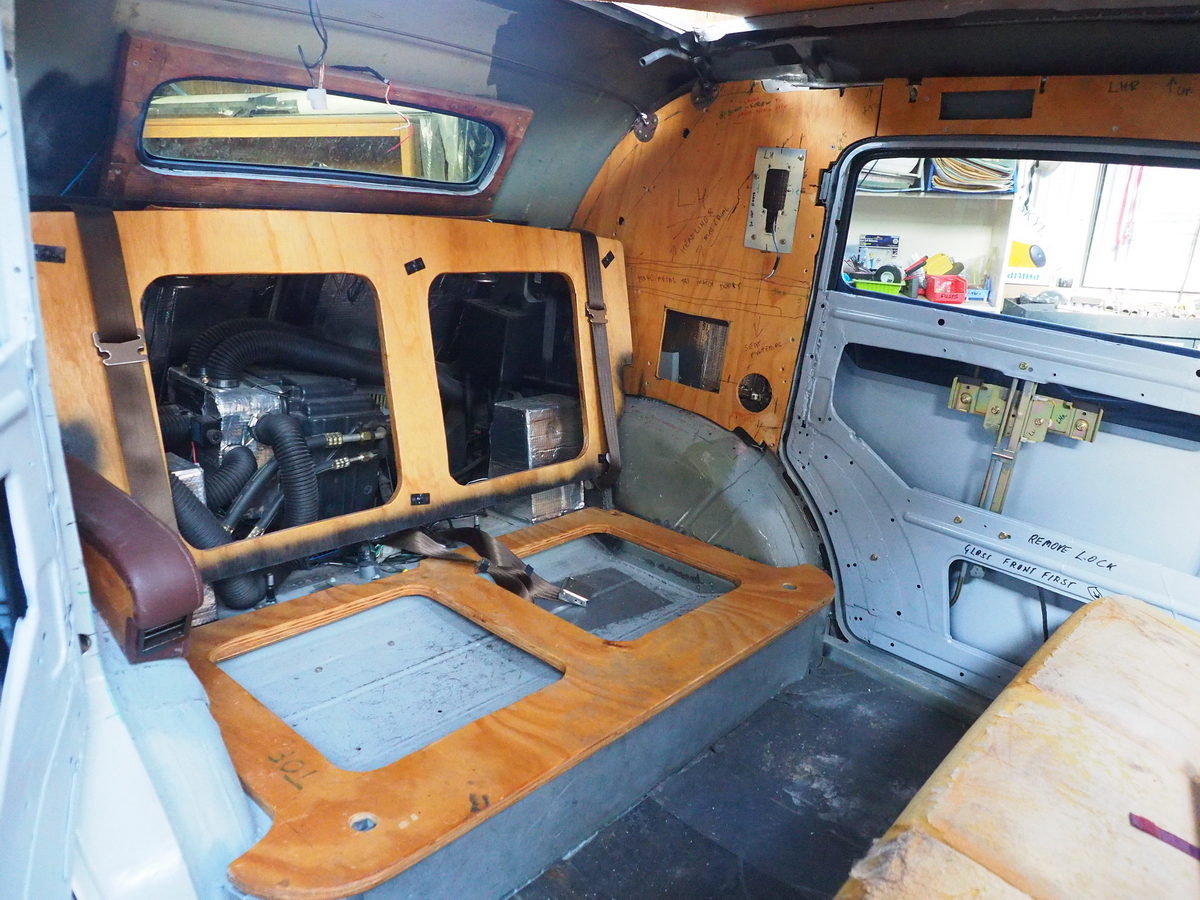
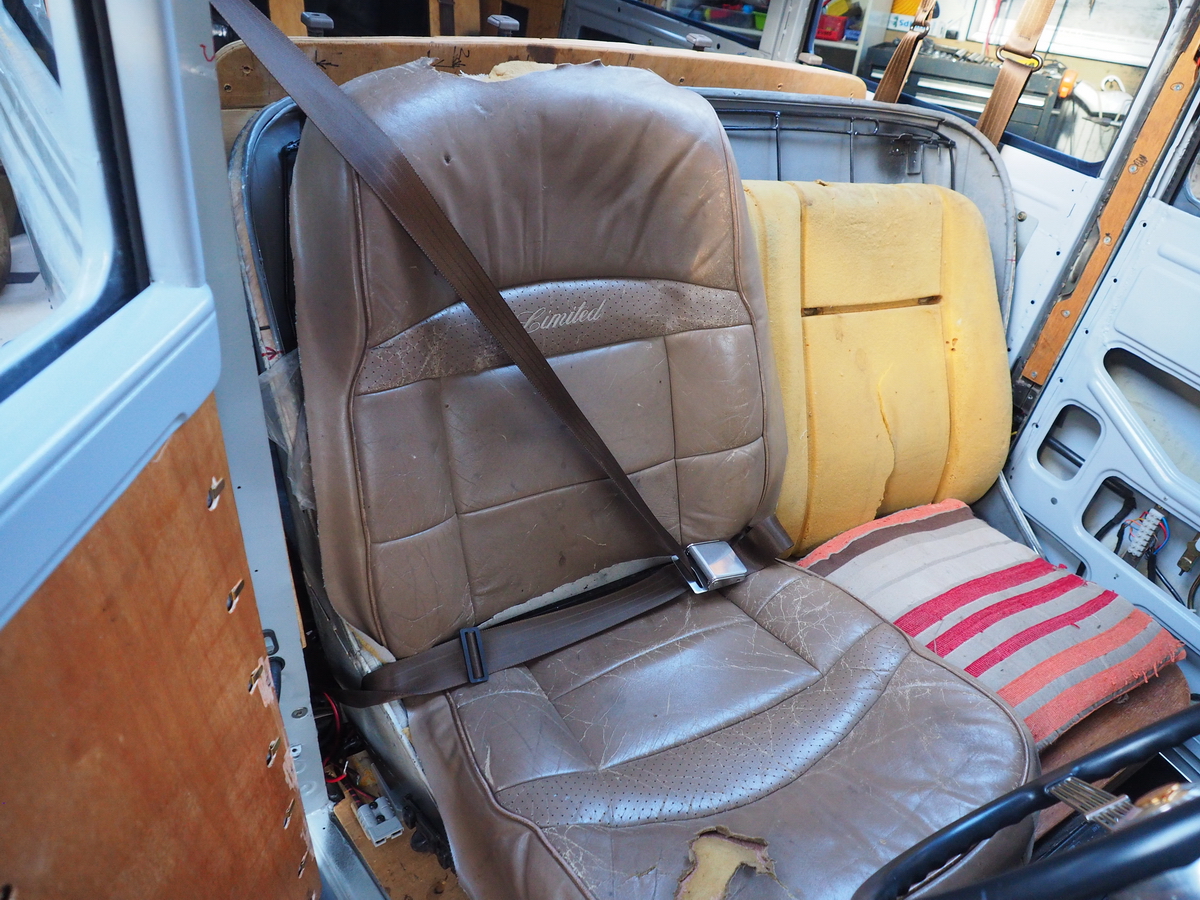
Headrest on centre seat is one piece, curved to match front seat shape. The bar is required by the engineer to support the seat.
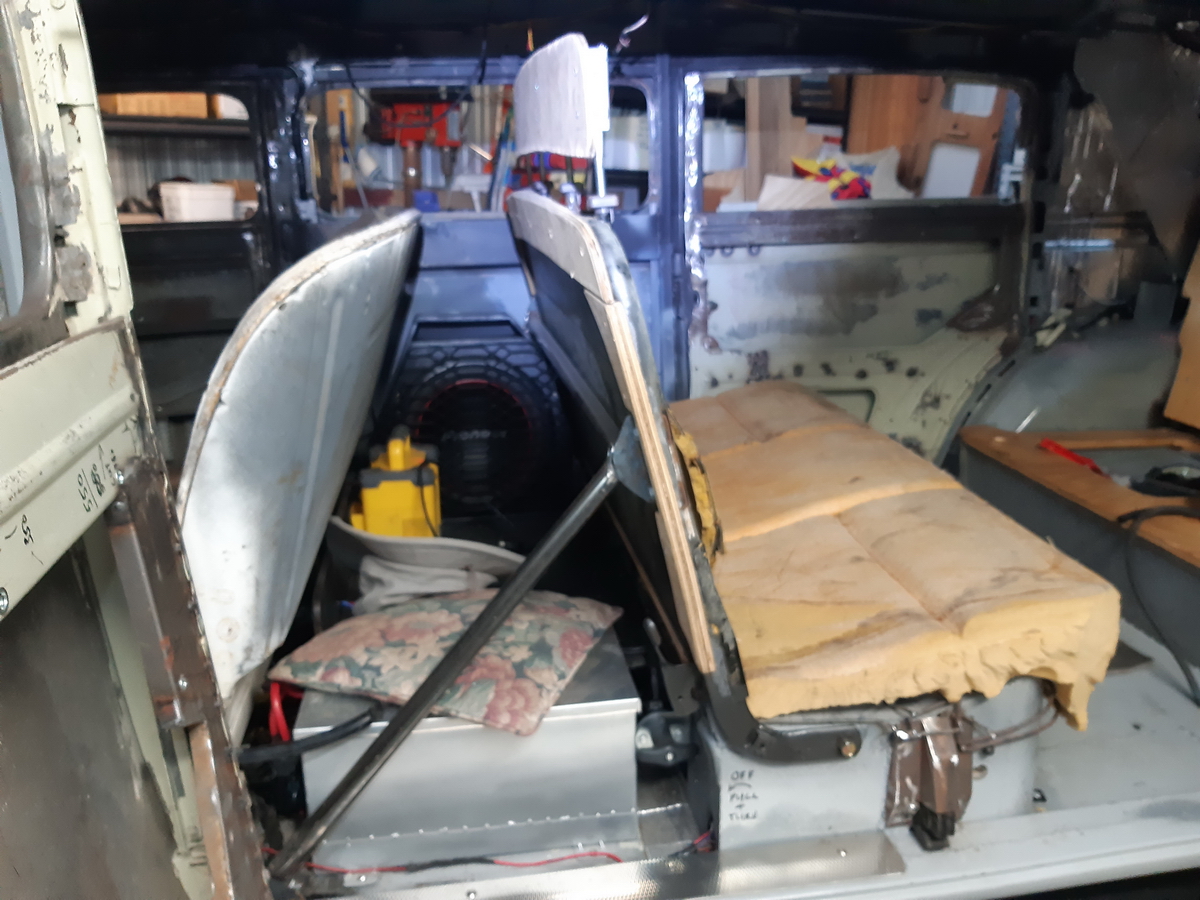
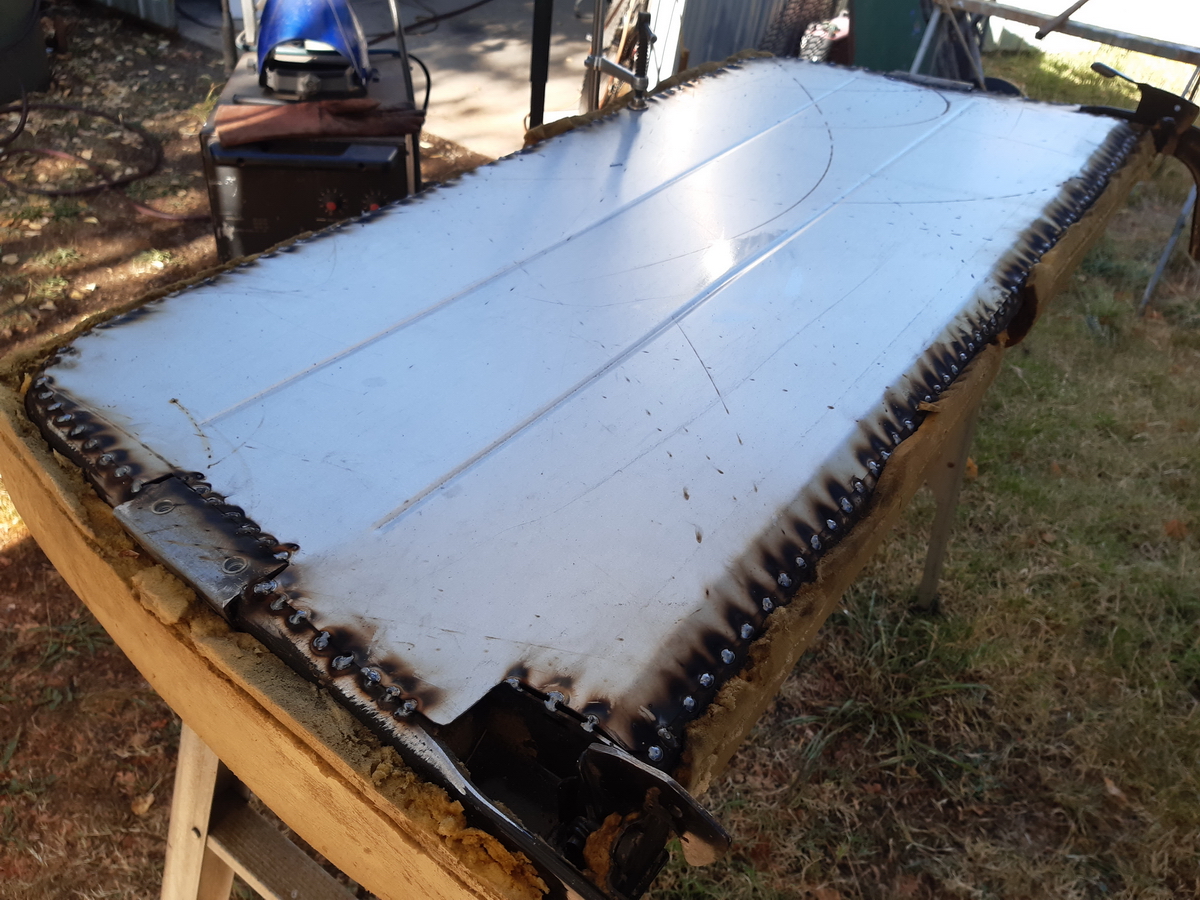
The engineer required that the back of the seat be filled with sheet metal to stop the occupants in the event of a crash. The seat is rear-facing.
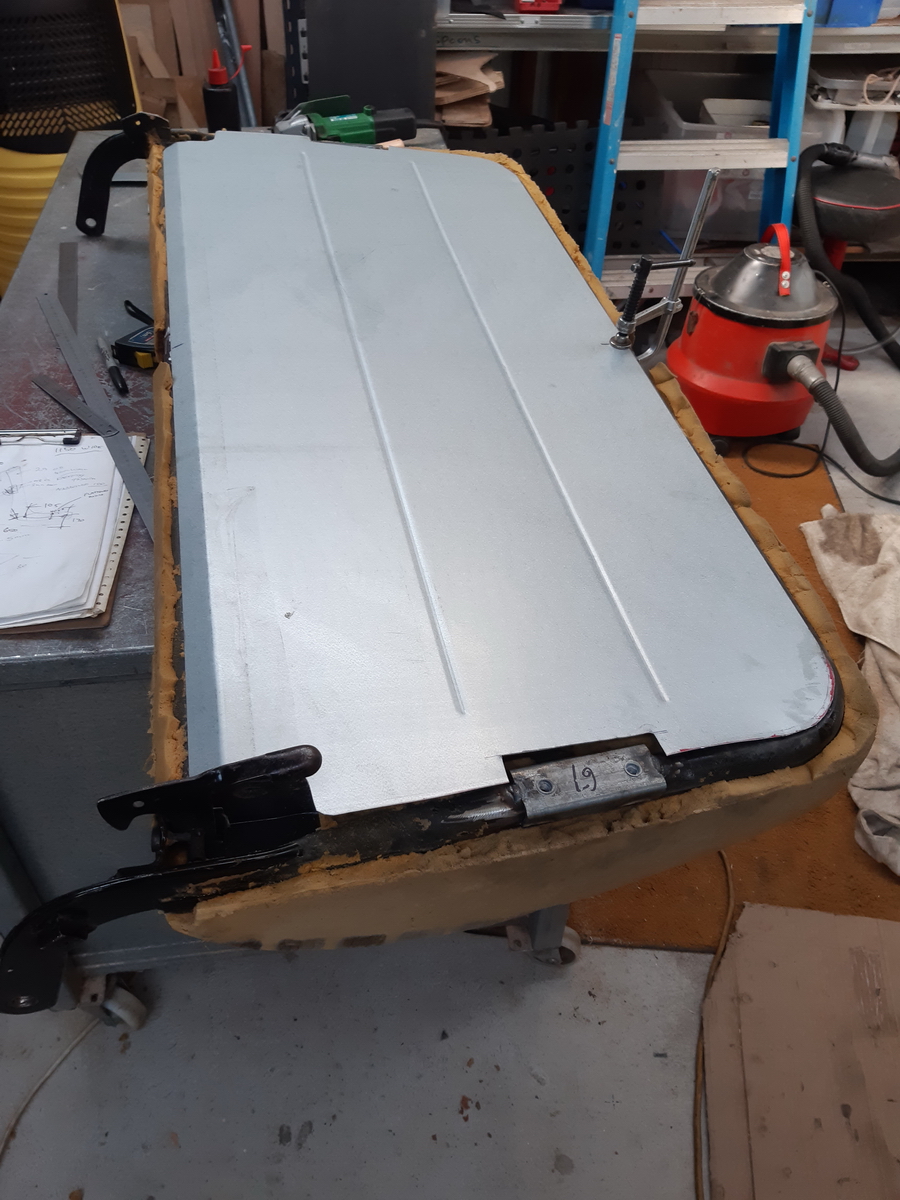
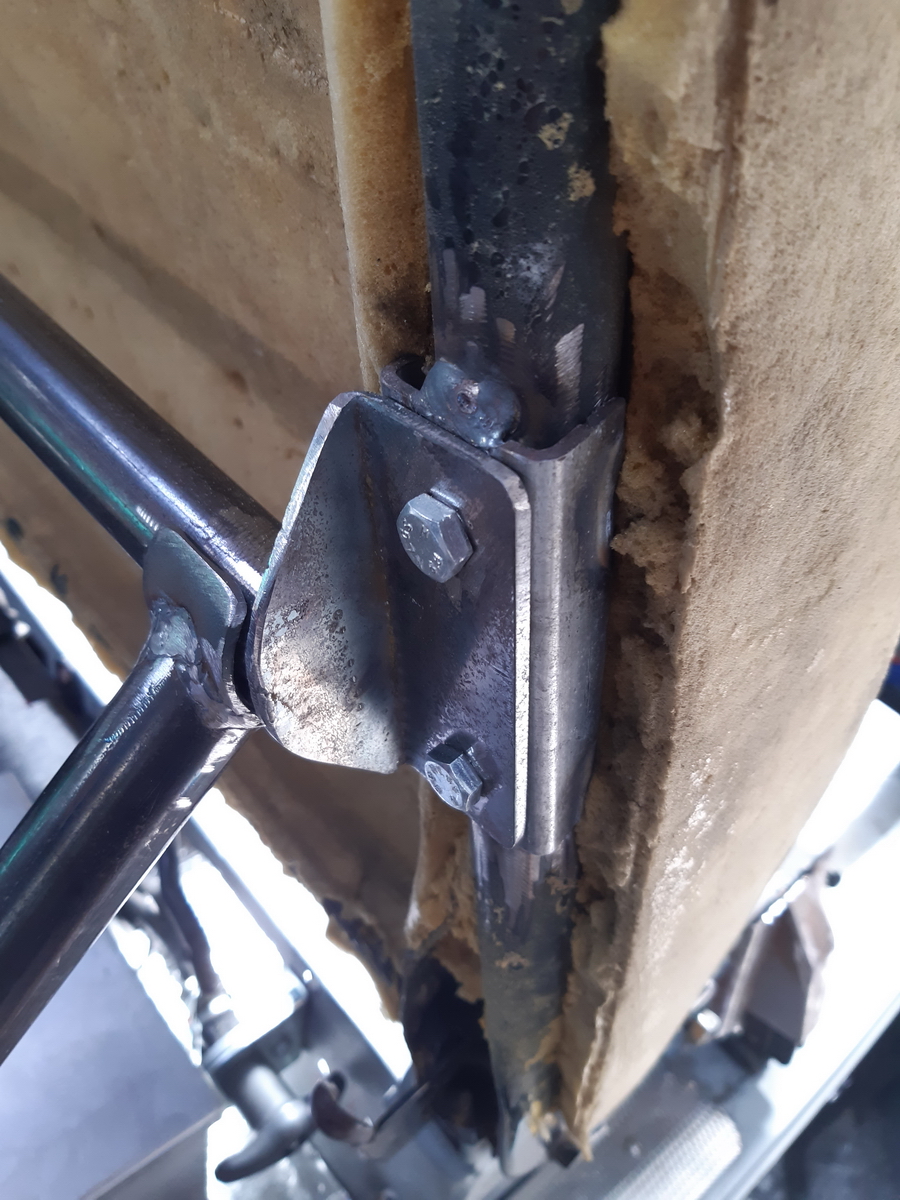
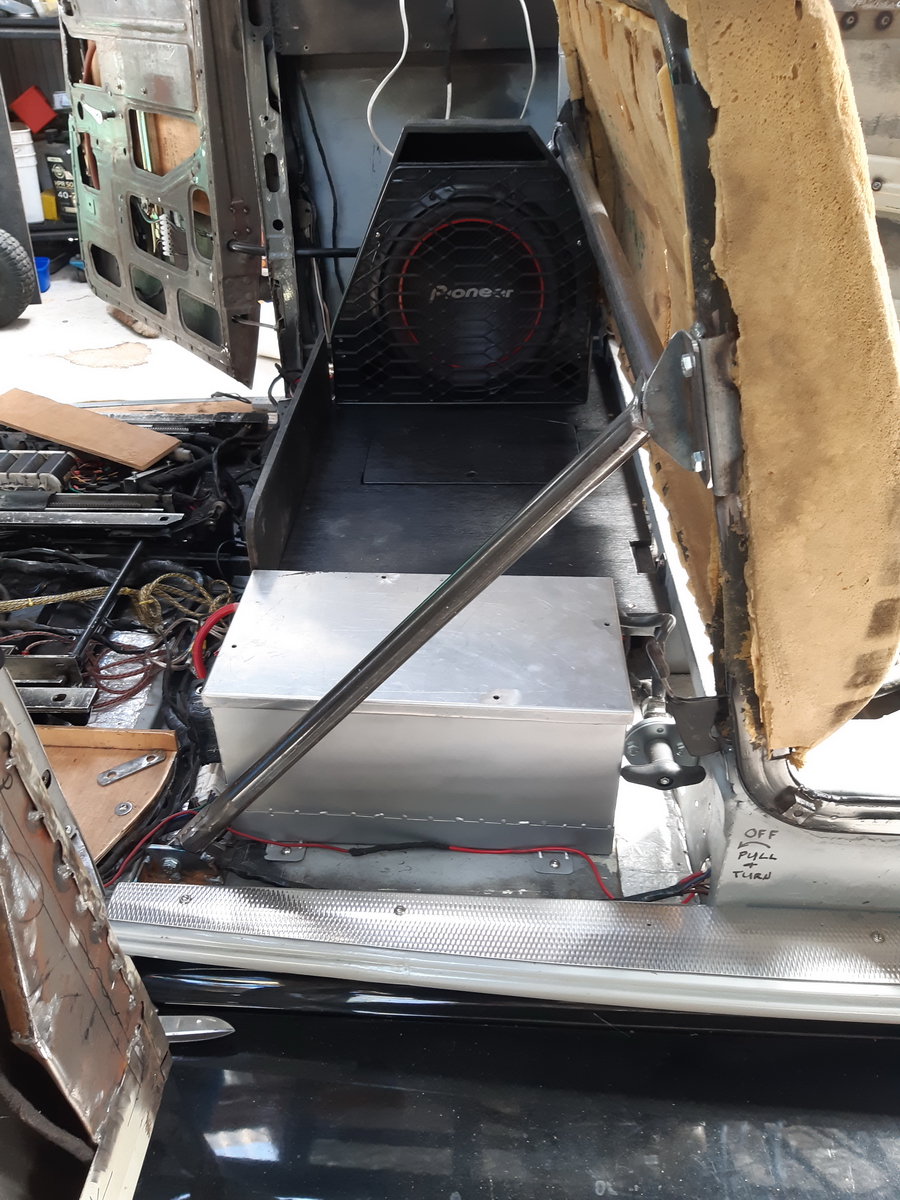
This is the wiring of the electric window switches that sit in the centre console.

I had to add relays to the front seat motor control to stop the switch from overheating.


================================
An update May 20th 2023 showing where I am up to.


I trial fitted the bonnet after making a new front mount for the hinge, see below.

Anatomy of a door. The RH rear door is without a skin at present, a carryover from Marshmans crap panel work. It was easier to take off the skin and remake the frame than try and make the dodgy door fit the opening. While it is apart I took the opportunity to do all the internals, and then copy them to the other side. I am still in the process of making all the door glass templates. THe aluminium box just above the connector strip has 2 micro switches to convert the traditional style window winders to electric.

I liked these Art Deco style handles from 37 Olds, (which I previouisly owned) These are new stainless repro items.

Mounted like this:

I needed modern door checks to hold the door open. These are Holden, modified a lot !! Excuse the welds !! You can see where the door strap hit the inner panel before it was modified.

Door strap modifications.

This also shows the way I have dealt with the door wiring using black plastic air hose.


The centre left door is opened by 2 solonoids so I had to have a back-up plan in case of a power failure. This lever will be up out of the way for thje top solonoid.

This is what I made for the lower cable.

In situ bottom right.

A plan view of some of the electrics.

The bonnet front hinge support bracket was about 1.5 mm too narrow after the centre strip was copper and chrome plated. Rather than try to beat it into shape I started again. 3 tries !!!


Getting the 2 holes recessed was tricky as they were right up against the fold. I made this jig.

Done

And it fits nicely.

===================
Putting the body on and connecting it all up took a couple of months, still in the process but thought I would update. (2021)


Body is in primer at this stage (Christmas 2020). Nest they will paint the firewall in body colour so I can re-fit to chassis and install engine etc.


I borrowed Haddies trailer to take the body to the paint shop. I went over it with Ranex to give it a phosphoric coating and also to kill any rust I missed.

This is the orginal stamping of the body number in the firewall. Interestingly this was eventually tagged body number 1756 but the other body I had, 1755, had 754RH stamped on it. Somehow it must have been sidelined on the assembly line and this one overtook it.

I decided to paint the underside in POR15 with a roller, I was amazed at the result...


I discovered some more of Graham Marshmans excellent restoration work when I took out the door hinges from the pillars, the repairwork charged for had not been done and I had to weld up 5 of them. They would have broken eventually...

This is the top of the door showing the lock striker pin.

I made these brackets to support the upper dash while I finish the wiring.

More pics of the upper dash frame.


Oct 13th 2020. I spent the day fitting the upper dash cnc cut alum panel. It has a comlex set of curves, some in different planes so it was a bit of hit and miss to get a mounting panel that matched the curve of the cnc part, and the curve of the roof bar. So far only the top is done and will be removed to finish the job. I have a copy in chipboard from the same cnc cut to work with so I don't scratch the anodised finish. The part I made is mostly hidden, you can see the weld in centre where I had to join it as I made it in 2 halves because my fold is only 600mm.


An update April 2020. Body finally leaving Micks place Anzac day 2020.
Delivered by Rod Hadfield in his enclosed tilt tray mover...


Below is a bit of a history of the bodywork. Here is the car as it looks as at June 2018. Guards, running boards and valance panels in final black.


In Nov 2002 the body was mounted to the chassis in the right place. Note that the B pillar is correct because the sill is original. Somehow Graeme Marshman and his crew at Antique Auto Works managed to put it back half an inch too far back when they repaired the sill and widened the car at the pillar.
This was the car as delivered by Antique Auto Works in late 2006. At a glance it looks fine but you can see that the bottom of the front door has a 1/2 inch gap to the cowl, and the line on the centre panel heads uphill 6 mm at the rear meaning that the line on the rear door heads uphill also. Looks like a bus without a chop ! The roof shape has a soft curve, nothing like the templates I supplied and it all had to be re-shaped. We ended up at VTAC and I got a part refund but it cost twice as much to repair as all the original reference points had been obliterated. I saw a few other cock-ups at Antique Auto Works such as the little black and white car that looked like it was carved from bog before it was painted, up to 6 mm in places. The LHR quarter panel was welded on 17mm too far back so the rear door was too long, and the entire rear panel wasa 'tapered' from one side to the other to compensate, what a mess. Years later it is near perfect but no thanks to Antique Auto Works.
|


I made a strip with a wired edge to replace the inner edge I had to cut off the mudguard to clear the engine.. Yet to be fitted.

I spent 6 hours making the inner trim fit correctly to the chopped door. This car had a quarter vent handle in the trim, and also a lever that operated the entire mechanism. Originally these cars had a large chromed window frame with a qtr vent that operated in two ways. First it would be that the glass would wind down and the qtr vent could be opened. If you moved the lever then would down the window the entire chrome frame with the qtr vent intact would down into the door making for a larger opening, the best of both worlds. It was all too hard to make it work with the chop etc so it is now just one piece of glass. You can see the repairs for where the lever was in the top, and the handle in the front side of trim.


Holden door striker in pillar.


You can see here that the door lock just clears the glass run channel. The round bit of metal on top of the lock is there to unlock the door in a head-on accident but because
my doors are suicide it will lock them instead, Not intending to crash !!

The door lock actuators come from (Carolina Custom in the USA. Good to deal with parts arrive in ten days and not expensive. (http://www.carolinacustom.com)
I had to make a metal bracket to weld to the door frame to bolt it to, and I slotted the holes in an arc to allow adjustment to get the handle straight.

The connection between the sills, the firewall and the guards all come together here and this alignment is critical.

I made a spacer to go under the front bonnet strip support bracket as it was too low. This meant that it did not align with the radiator cap, and also the bonnet was sitting too low to allow fitment of the fabric strip.


Holden door locks and body computer are used including central locking. The lock has 4 modifications to make it fit into the door. This was the rear lock so I had to weld up the child safety lock.

I finally found a panel beater who understands the Chrysler shape. Getting this area to look right from all angles took some time. It turned out that the factory beads on the front edge of each side do not match each other, so it was never correct when it left the factory. You can see the RH line as it curves downwards is softer than the left.


I had to make new reinforcements for the edge of the guards as I had to trim them to fit the engine. On the RHS I had to modify it to clear the power steering pipes, the LHS comes close to the head as the head is further forward on this side. This panel not only supports the guard, it also blocks the view through the gap under the bonnet which sits about 15 mm above the guard.


Working on making some new castings of my LH mirror. These swan necks are die cast and break easily if you attempt to re-shape them. The porblem is that when installed you cannot adjust the mirror inwards enough to see the side of the car. I cut off the end and re-shaped it, than had a new one cast, in fact I had 8 of them made so as to try to recoup some costs. If you want one the are nickel bronze, easy to bend and modify, and ready to chrome. They are investment castings, I will post a photo tomorrow of the product.


Panel man Mick has been busy on the guards and running boards (and valance panels) Here is a photo of the new bottom edge of the front mudguard which was necessary to increase the width of the edge moulding line to match the stainless strip on the running board.
Note that the bottom edge has a slight curve making it a bit harder to make this and align it properly.


